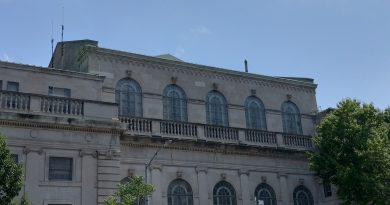
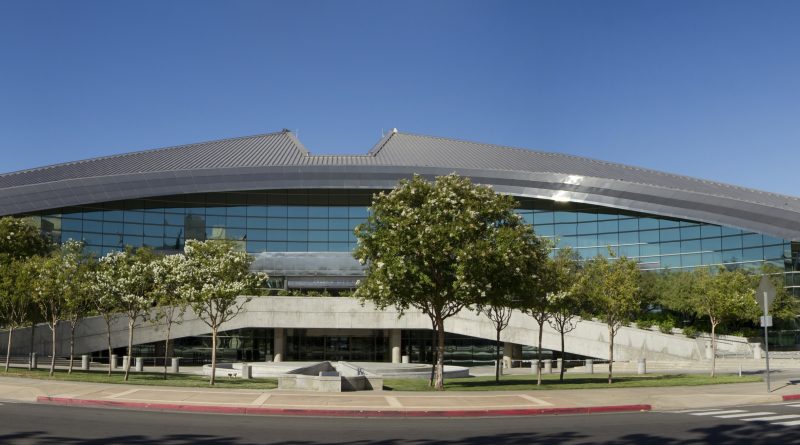
Fresno City Hall — Photo: Jeff Stiefer — CC BY-SA 3.0, via Wikimedia Commons
Fresno Mayor Dyer Pushes Charter Change That Would Allow His Third Term
Fresno Mayor Jerry Dyer said he would run for a third term if voters approve a charter amendment extending term limits from two consecutive four-year terms to three, allowing officials to serve for 12 years straight. The City Council placed a resolution on its agenda to submit the measure to electors.
The resolution, ID 26-1030, would amend charter provisions related to political officers. The measure originated from both Dyer’s office and Council President Nelson Esparza, District 7.
The proposed change would apply to both the mayor and council members. Currently, officials are permitted to serve two consecutive terms and must sit out the third term before running again.
According to reporting, critics called the timeline “self-serving” and characterized the proposal as a “power grab.” The timing allows Dyer to benefit from a rule change he is actively promoting.
The Breakdown
- The proposed amendment would extend term limits to three terms, or twelve consecutive years
- The change requires voter approval — council approval of the resolution would place the measure on a ballot
- If approved, Dyer would become eligible to run for a third term when his current term expires
What This Means for You
You get to vote on whether to extend term limits for the mayor and city council. That vote determines whether Jerry Dyer can run again in the next mayoral election. The question is not only the abstract one — whether twelve years is better policy than the current limit — but the concrete one: whether you want Dyer specifically to be eligible for another four years, given that he is the official who initiated this change for that purpose.
What You Can Do
The resolution is on the City Council’s agenda. Contact Council President Nelson Esparza or your district representative to weigh in on whether the measure should be placed before voters. If the council advances it, watch for the ballot measure in an upcoming election.
What to Watch
The resolution originated from the mayor’s own office — Dyer is not a neutral party asking voters to decide an abstract question. He stated his intent to run for a third term if this passes. The direct beneficiary of a rule change is the one proposing it.
The timing allows him to place the measure before voters with enough runway to benefit from it himself, rather than proposing a change that would only affect his successors. That is the “self-serving” framing critics applied. Whether that timing is appropriate or opportunistic is a judgment call, but the sequence is not in dispute.