
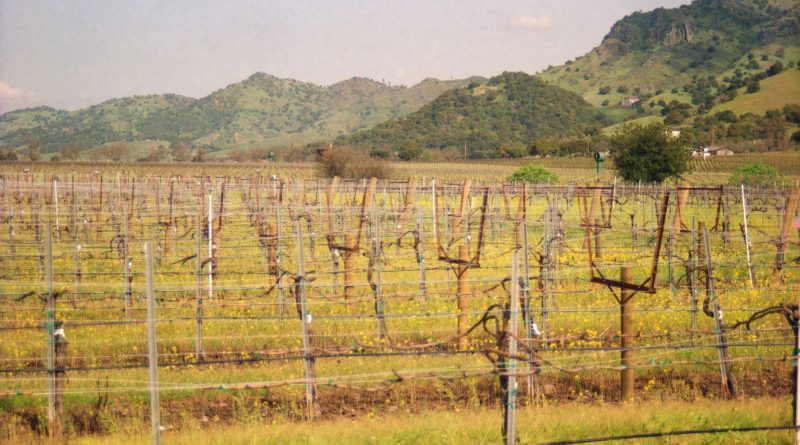
farm agriculture field California — Photo by Tom Fisk via Pexels
Kings County water districts back groundwater fees despite not contributing to pumping deficit
Two Kings County water districts voted to support land assessment fees for groundwater management even though the districts themselves do not pump groundwater. Lakeside Irrigation Water District directors approved support on Sept. 2; Kings County Water District followed on Sept. 3.
The Mid-Kings Groundwater Sustainability Agency is proposing $26.84 per acre annually, starting in 2027, to fund operations and a groundwater sustainability plan required under state law. The fee requires landowner approval through a Proposition 218 election. Ballots are due Sept. 29 at 1 p.m.
Lakeside operates most of its 330 acres for groundwater recharge from the Kaweah River — meaning the district adds water to the aquifer rather than extracting it. Directors objected to paying for a problem the district does not cause.

“To keep Mid-Kings out of probation, I’d say we need to help them out because if we don’t, it might transfer over to everything else,” board member Clinton Church said. He referred to enforcement powers held by the state Water Resources Control Board under the Sustainable Groundwater Management Act.
The Tulare Lake subbasin, covering most of Kings County, entered probation in 2024 for lacking an approved plan to balance groundwater pumping by 2040. Probation carries reporting requirements and state fees.
Lakeside General Manager Shawn Corley noted landowners would pay twice: once to the district for water service, again to the GSA if the fee passes. Directors noted cemeteries, schools, and parks received exemptions that Lakeside did not.
“I wish that the Lakeside wasn’t involved in this,” Church said.
Lakeside would owe $8,884 annually for its 331 acres. Kings County Water District, which left Mid-Kings GSA in 2024, would pay $27,296 for roughly 1,017 acres still within Mid-Kings boundaries.
Mid-Kings is also proposing a $19.24 per acre-foot pumping fee, subject to a separate Proposition 26 election. That fee would fund water quality, subsidence, and domestic well repair programs. Lakeside would not pay it because the district does not pump, though some farmers within its boundaries may be charged.
The Breakdown
- Mid-Kings GSA proposes $26.84 per acre annually, generating $2,467,400 in 2027 for operations and a state-mandated groundwater plan.
- Lakeside Irrigation operates most of its 330 acres for recharge, not pumping — it adds water to the aquifer.
- The fee requires landowner approval via Proposition 218 ballot, due Sept. 29 at 1 p.m.
- A separate $19.24 per acre-foot pumping fee (Proposition 26 ballot) would fund pumping-related programs; non-pumping districts like Lakeside are exempt from that portion.
- The Tulare Lake subbasin entered state probation in 2024 for lacking an approved sustainability plan; probation brings reporting requirements and added state fees.
What This Means for You
If you own land within Mid-Kings GSA boundaries, you received a ballot on this fee and your vote determines whether it passes. The fee exists because state law requires critically overdrafted regions to balance groundwater use by 2040 — the Tulare Lake subbasin failed to produce an acceptable plan and is now under state probation. The question for you is whether the agencies managing your groundwater, including their fee structure and their exemption decisions, are doing the job competently enough to avoid worse state intervention. That assessment shapes how you vote on this measure and how you evaluate the officials overseeing these agencies.
What You Can Do
Ballots are due Sept. 29 at 1 p.m. Mail them, drop them at the ballot box outside Kings County Elections Department (1400 W. Lacey Blvd Building #7, labeled “Ballot Drop Off”), or bring them to the final public hearing (location and time not stated in the material).
What to Watch
The stated reason for this fee is compliance with state groundwater law. The question is whether $2.5 million annually is the minimum necessary to meet that standard or whether Mid-Kings GSA is covering for poor planning or inefficiency with a broad assessment. Lakeside’s situation — paying to solve a problem it does not create, while cemeteries and parks get exemptions — raises the beneficiary question directly: who actually benefits from a fee structure that charges everyone equally regardless of contribution to the deficit? The landowners paying to recharge groundwater, or the entities that avoided exempting them?
A separate question: Kings County Water District left Mid-Kings GSA in 2024 but still has roughly 1,017 acres within its boundaries, meaning it is still subject to the fee despite exiting the agency. That raises whether the fee structure is aligned with who actually has a stake in Mid-Kings’ decisions, or whether it is simply collecting from whoever happens to be within a boundary line.