
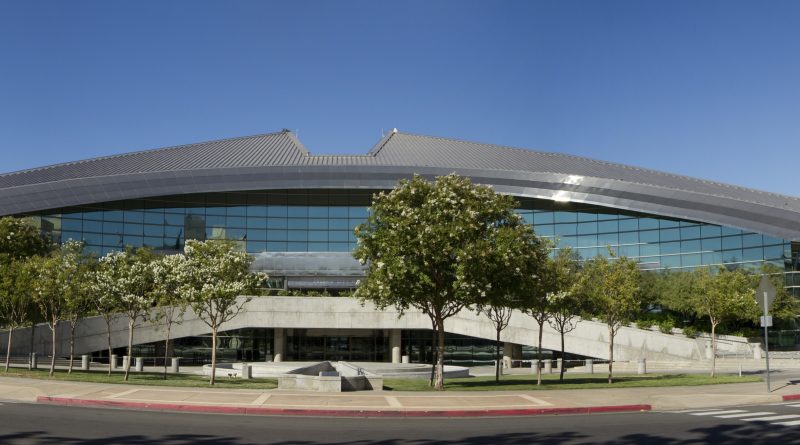
Fresno City Hall — Photo: Jeff Stiefer — CC BY-SA 3.0, via Wikimedia Commons
Fresno Judge Throws Out Hit-and-Run Case After Prosecutors Miss Deadline, Lose Evidence
A Fresno County Superior Court judge dismissed a misdemeanor hit-and-run case last week after prosecutors filed charges four days past the legal deadline and couldn’t explain why the responding officer’s body camera was off for four hours straight.
Judge David A. Gottlieb ruled for the defendant Thursday. The prosecution’s case fell apart on multiple fronts: late filing, missing video, unverified addresses in the case file, and a defendant who — according to the defense — cooperated with officers from the start.
The statute of limitations for misdemeanor offenses in California is one year. Defense counsel argued prosecutors filed approximately one year and four days after the alleged offense. The defense maintained that deadline isn’t a technicality — it exists to ensure charges are filed while evidence is fresh and witnesses remember what happened.

Prosecutors argued an exception applied. Judge Gottlieb wasn’t convinced.
The evidentiary problems didn’t help. Prosecutors referenced video evidence they wanted to introduce, but the court learned the responding officer’s body-worn camera had been turned off for roughly four hours on the day of the alleged incident. No footage of the officer’s interaction with the defendant exists.
Judge Gottlieb repeatedly questioned prosecutors about the investigation. Why did two different addresses appear in the case file? Had anyone independently verified either one before relying on it?
The defense argued the defendant cooperated with officers when they responded to the reported incident — remained cooperative throughout the encounter. That cooperation, defense counsel said, contradicted the prosecution’s theory of the case.
Judge Gottlieb weighed the late filing, the missing camera footage, the unverified case-file discrepancies, and the defense’s cooperation argument. He ruled the prosecution couldn’t proceed.
The Breakdown
- California law gives prosecutors one year to file misdemeanor charges from the date of the alleged offense, unless a specific exception applies.
- Prosecutors in this case filed approximately one year and four days after the alleged hit-and-run — defense counsel argued that exceeded the deadline, and the court agreed no exception applied.
- The responding officer’s body-worn camera was turned off for roughly four hours on the day of the incident, leaving no video of the officer’s interaction with the defendant.
- Judge Gottlieb questioned why two separate addresses appeared in the case file and whether investigators had verified either address before using it.
- The defense argued the defendant cooperated with officers at the scene, contradicting the prosecution’s narrative.
What This Means for You
This is a decision about whether the Fresno County District Attorney’s office followed the rules before bringing charges. The statute of limitations is a legal requirement that forces prosecutors to act while evidence is still reliable. When the DA’s office files late and shows up in court unable to explain missing camera footage or conflicting addresses, that raises questions about how the case was handled.
What to Watch
This case didn’t fail on one misstep — it failed on several at once. The four-day late filing might have been survivable if the rest of the case had been airtight. It wasn’t.
Body-worn cameras exist precisely to create an objective record of what happened during police interactions. When an officer’s camera is off for four hours during a shift that includes the incident under investigation, the question isn’t just “where’s the footage” — it’s “why was the camera off in the first place, and who decided that was acceptable?”
Prosecutors are supposed to independently verify the facts they rely on before filing charges. A case file with two different addresses and no explanation for the discrepancy suggests either sloppy investigative work or a failure to ask basic questions before charging someone with a crime. Either way, it’s the kind of thing a judge is supposed to catch — and in this case, did.
The broader question: how often does this happen when no one’s watching? A judge throwing out a case for procedural failures is the system working as designed. But it only works when someone — a defense attorney, a judge, a watchdog — is actually checking the work. A case that never makes it to a hearing, or a defendant who takes a plea rather than fight a weak case, doesn’t generate a public record like this one.