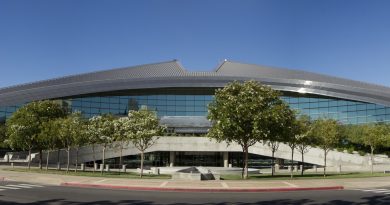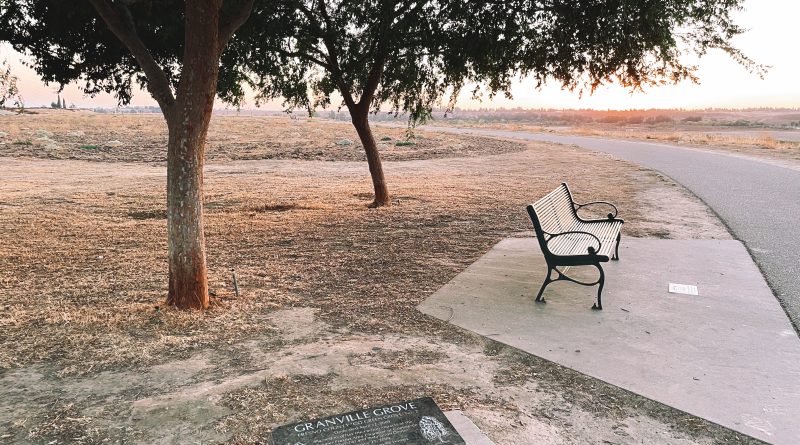
Lewis S. Eaton Trail — Photo: Nweil — CC BY-SA 4.0, via Wikimedia Commons
Fresno Council Greenlights $3.1M Wildlife Grant Bid for River West Trail Extension Planning
Fresno City Council approved a $3.1 million grant application to the Wildlife Conservation Board on December 9, 2021, targeting engineering design and permitting work to extend the Lewis S. Eaton Trail west along the San Joaquin River. Council also appropriated $65,500 in local funds for the same planning phase.
The project moves forward under the San Joaquin River Conservancy’s River West Fresno framework. Staff framed it as final engineering design, specifications, construction cost estimates, and permitting — the pre-construction phase that precedes actual trail construction.
The Breakdown
- Grant request: $3,104,831 from the Wildlife Conservation Board for planning-phase deliverables (design plans, specs, estimates, permits)
- Local match: $65,500 appropriated via the 34th amendment to the city’s 2021 Annual Appropriation Resolution
- Scope: Extend the existing Lewis S. Eaton Trail further west along the San Joaquin River corridor
- Authority granted: City can execute grant-related documents, including the grant agreement itself, once awarded
- Vote outcome: Passed December 9, 2021 (Council District 2)
What This Means for You
This council vote commits Fresno to pursuing state wildlife-conservation dollars for trail infrastructure — a bet that outdoor recreation assets justify the local $65,500 stake and staff time required to chase the larger grant. If awarded, the $3.1 million funds design work only, not construction.
What to Watch
The material names the San Joaquin River Conservancy as the project sponsor, but doesn’t break out who actually benefits most directly from extended river-trail access — recreational users, adjacent property owners seeing land-value uplift, or tourism/hospitality operators banking on trail traffic. Trail projects often deliver quality-of-life gains, but the $65,500 local appropriation and staff time invested in chasing a planning grant represent an opportunity cost: dollars and capacity not allocated to, say, street maintenance, public-safety infrastructure, or direct-service delivery in underserved neighborhoods.
Planning-phase funding also carries execution risk. A $3.1 million design-and-permitting phase with no construction funding locked in means Fresno could spend years and significant resources producing shovel-ready plans that sit idle if the next funding tranche doesn’t materialize.
The beneficiary question matters here: who actually uses extended river trails in Fresno, and does that user base justify prioritizing this project over competing infrastructure needs with broader demographic reach? If trail extensions primarily serve recreational users with the mobility and leisure time to access them, that’s a narrower constituency than, say, sidewalk or transit improvements serving daily commuters and residents without vehicle access. The material doesn’t answer that — but it’s the cost-benefit question voters should ask when weighing how council allocates discretionary planning dollars.