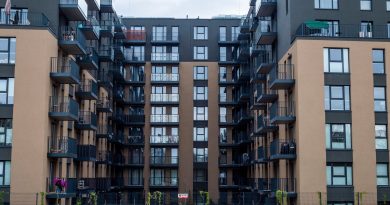

City Council Greenlights Sale of Clarion Pointe Homeless Shelter — Developer Hunt Begins — Photo: Corey Coyle — CC BY 3.0, via Wikimedia Commons
City Council Greenlights Sale of Clarion Pointe Homeless Shelter — Developer Hunt Begins
Fresno City Council voted October 30 to declare the Clarion Pointe Emergency Shelter at 4061 N. Blackstone Avenue surplus property, clearing the path to sell the 2.70-acre, 118-room site to a housing developer. The city paid for the motel in 2023 as part of then-Mayor Dyer’s Project Off-Ramp to end chronic street homelessness. Now it’s being offloaded.
Staff cited “diminishing State funding to operate the City’s homeless shelters and the need for additional housing” as the rationale. The resolution — passed on consent calendar without separate debate — triggers compliance with California’s Surplus Land Act, which requires the city to follow specific notice and offer procedures before disposition.
The material does not state what the city paid for the property in 2023, what it will sell for, or whether taxpayers will recover the acquisition cost. It also does not name any developer in the procurement process or specify the housing type the city expects a buyer to build.
The Breakdown
- The Clarion Pointe motel was acquired by the city in April 2023 under a Purchase and Sale Agreement with Kush Hospitality Inc., approved by the City Council as emergency shelter and bridge housing for people experiencing homelessness.
- The city contracted Poverello House in May 2023 to operate the site as a low-barrier emergency shelter.
- The October 30, 2025 resolution declares the property surplus, authorizing staff to comply with the Surplus Land Act’s notice and offer requirements before disposition.
- The Surplus Land Act governs how cities must handle surplus property, though the specific requirements are not detailed in the source material.
What This Means for You
Your City Council majority just voted to exit the homeless-shelter business at this site and pivot to developer-driven housing — a policy shift driven by funding constraints, not by a stated assessment of whether the shelter model worked or failed. The resolution itself names no performance metrics, occupancy data, or cost-per-resident figures that would let a voter judge whether the original investment delivered ROI or whether selling now maximizes public benefit.
The decision leaves two unanswered questions that matter for accountability: what the city originally spent on the motel, and what it expects to recover. Without those figures, you can’t assess whether this transaction protects or squanders taxpayer equity. That’s Council District 4, and the citywide majority that approved this on consent, making a call on public assets without showing you the ledger.
What to Watch
The material gives no acquisition cost, no projected sale price, and no estimate of taxpayer gain or loss on this transaction. A council resolution that moves property without stating the figures is a red flag for any stakeholder tracking ROI. What would confirm the numbers: the 2023 Purchase and Sale Agreement with Kush Hospitality Inc., the city’s current appraisal of the site, and any financial analysis staff prepared for the October 30 vote.
Why is state funding for homeless shelters “diminishing,” and what changed between May 2023 — when the city committed to this site as emergency shelter — and October 2025, when it declared the model unsustainable? The material offers no budget data, no occupancy trend, no cost-per-bed comparison to other shelters. If the shelter underperformed or cost more than projected, voters deserve that in the record. If state funding simply dried up, that’s a different accountability question — one that points to Sacramento, not City Hall — but the material doesn’t say which.
Who benefits from this sale, and who absorbs the cost if the city takes a loss? The beneficiary will be whichever developer wins the bid and whatever affordable-housing tax credits or subsidies flow to that project. The party at risk is the taxpayer, if the sale price undershoots the acquisition cost. The material names no developer, no bid process timeline, and no minimum acceptable offer — all of which should be public before a contract is signed.
The Surplus Land Act requires the city to follow specific notice and offer procedures, though the material doesn’t detail what those procedures entail or what constraints they place on the sale price. What would show it: the staff report’s financial analysis, if one exists, or the RFP terms when the city issues them.
The shift from shelter to housing raises questions about what type of housing will be built and what income levels it will serve. The city’s RFP, when it’s issued, should specify income targets, unit mix, and whether supportive services are required as part of the development — those details will show what kind of project the city is prioritizing on this site.