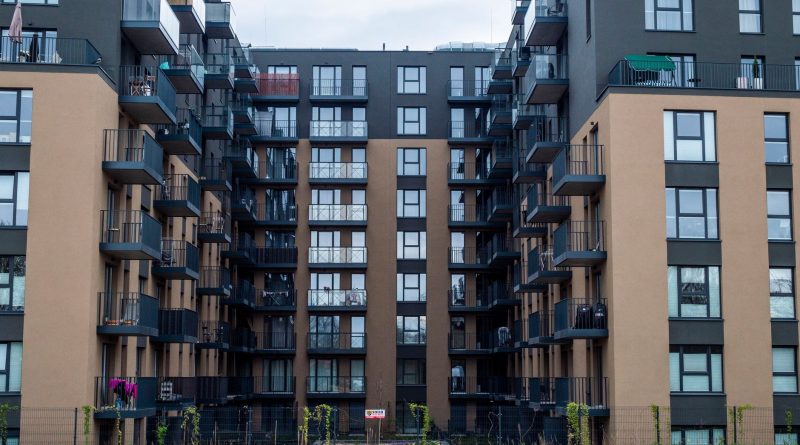
apartment construction housing development — Photo by SHOX ART via Pexels
9,000-Resident Senior Community Returns to County Board After Years of Air Quality Litigation
A proposed foothill community designed for 9,000 seniors is heading back to the Fresno County Board of Supervisors for a final vote in October, after years of litigation over air pollution concerns appeared to derail the project entirely.
The Friant Ranch project — 2,500 homes and about 250,000 square feet of commercial space planned for land about 10 miles north of Fresno, just south of Millerton Lake — cleared the County Planning Commission unanimously this week. The homes have been planned mostly for seniors, in a development the Bigelow-Silkwood family has compared to large retirement communities in Arizona and Southern California.
The supervisors first approved this project in 2011. Within months, the Sierra Club, League of Women Voters of Fresno, and Revive the San Joaquin sued the county and the developer, arguing the environmental analysis was flawed. In 2014, the Fifth District Court of Appeal sided with the challengers, ordering a revised environmental impact report. The justices found the original report described vague and unenforceable mitigation measures around air pollution from the newly proposed traffic.
That original analysis estimated nitrogen oxide and fine dust emissions at seven to 10 times the levels the San Joaquin Valley Air Pollution Control District considers significant. The state Supreme Court upheld the appellate ruling that the project would lead to too much air pollution. In 2021, the supervisors voted to rescind their approval from a decade earlier.
Now, a new 2023 environmental impact report claims new “analytical methodology” and “improved pollution control technologies in vehicular and non-vehicular sources” show the project would not result in a substantial adverse effect on human beings, according to the county’s staff report.
The Breakdown
- The Friant Ranch project would build 2,500 homes and about 250,000 square feet of commercial space in the foothills about 10 miles north of Fresno, south of Millerton Lake, designed primarily for a senior population of about 9,000 residents.
- The County Planning Commission voted unanimously this week to advance the project to the Board of Supervisors for a final decision in October.
- The project was first approved in 2011, then successfully challenged in court by environmental groups over air pollution concerns — specifically, that the original environmental analysis showed emissions at seven to 10 times what the air district considers significant, with vague mitigation measures.
- A 2023 environmental impact report now claims improved pollution control technologies and new analytical methods show the project would not cause substantial harm.
What This Means for You
The supervisors voted in 2021 to rescind approval for this project after a court found the county’s environmental analysis inadequate. Now the board will vote again in October on whether to approve it based on a new report claiming the air quality concerns have been resolved. If you live in the northern part of the county, or if air quality and foothill development are issues that shape how you vote for supervisor, this decision will show how the board responds to the new environmental analysis.
What You Can Do
The final vote is scheduled for October before the Fresno County Board of Supervisors. Public comment periods are typically part of Board of Supervisors meetings — check the county’s Board agenda closer to the meeting date for the specific hearing date and instructions for submitting written or in-person comment.
What to Watch
The 2023 environmental report claims “improved pollution control technologies” and new methods have solved the air quality problems a court found serious enough to overturn the original approval. What specific technologies? What enforcement mechanism ensures they’re actually installed and maintained over the decades this community would exist? The original report was rejected for “vague and unenforceable” mitigation measures — has that actually changed, or has the methodology just been tweaked to produce a different number?
The developer won a temporary victory in superior court before, only to lose on appeal. If the supervisors approve this in October, will the same groups that sued successfully before — the Sierra Club, League of Women Voters, Revive the San Joaquin — challenge the new report? And if they do, will it hold up this time?