
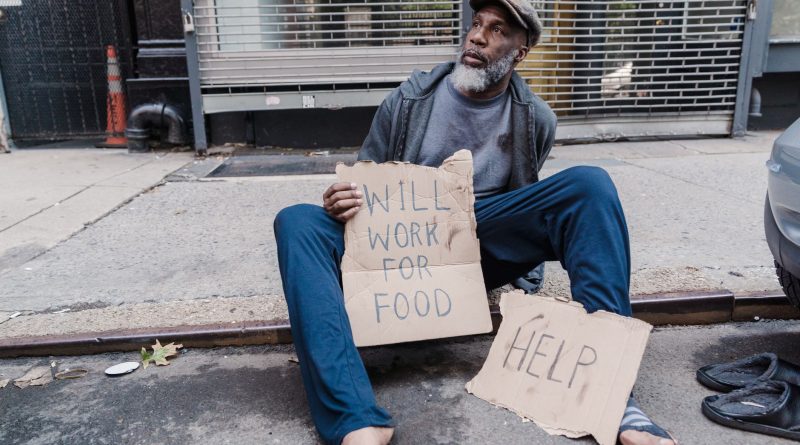
homeless services outreach city — Photo by Timur Weber via Pexels
Fresno Council Backs Second Homeless Enforcement Team Despite Rising Costs, Zero Public Support
Mayor Jerry Dyer is proposing to fund a second Homeless Assistance Response Team (HART) in the FY 2027 general fund — one sergeant and four officers at an annual cost of $907,000 — making it one of only five additions to the city’s general fund budget. Council member Miguel Arias and several other council members spoke in support of the expansion at recent budget hearings, claiming residents and business owners want a second team to move homeless people out of sight and out of mind.
No one spoke in support of the second HART at the hearings. Multiple community members spoke against it, lobbying instead for rent control, more low-income housing, tiny home villages, and “safe camps” as interim solutions.
The push comes as the Fresno Madera Continuum of Care released data from the federally required Point in Time (PIT) count, which provides a snapshot of sheltered and unsheltered homelessness on a single night in late January. The verified 2025 count showed a 9.2% increase in homelessness between 2023 and 2025 across Fresno and Madera Counties — 4,905 people experiencing homelessness, with 3,000 (62%) unsheltered.

That increase came after the city implemented its No Camping Ordinance in September 2024, which local leaders expected would reduce the unhoused population. Instead, records indicate the Fresno Police Department and HART have arrested or cited over 2,000 unsheltered persons since the ordinance took effect — more than the reported number of unsheltered people on the streets.
Unverified preliminary data from the 2026 PIT count indicates 1,619 people experiencing unsheltered homelessness and 1,635 experiencing sheltered homelessness in the region. Those who refused the survey were not counted in 2026, a departure from past practice that raises questions about accuracy. Experts, local officials, and FMCoC chair Laura Moreno have admitted the count is not accurate.
Desiree Martinez, founder of the non-profit We Are Not Indivisible, noted in a statement that while the 2026 count shows a decrease, “multiple shelters and housing programs [have] close[d] or begin closing” since January 2026. “Families and individuals who were previously housed or sheltered are being displaced back into homelessness. At the same time, new housing developments intended to serve unhoused residents have remained vacant while people continue sleeping outside.”
When asked what impact the no camping ordinance had on decreasing homelessness, Mayor Dyer responded that it “had no effect.” He separately told reporters the 2026 count “shows that we are actually making a great deal of progress.”
Advocates report that HART forcibly displaces unhoused individuals and destroys personal property on a regular basis, including warm clothing, medications, and vital documents like birth certificates and IDs, which are mandatory for securing permanent housing. Records indicate HART has arrested or cited many unhoused persons more than once. Advocates say people are being pushed into isolated, dangerous locations to avoid enforcement, making them harder to reach for street medicine teams and support networks.
The Breakdown
- The mayor’s proposed FY 2027 budget includes a second Homeless Assistance Response Team (HART is a specialized unit that enforces camping ordinances and responds to homelessness-related calls) — one sergeant, four officers, $907,000 annually — as one of only five additions to the general fund.
- Council member Miguel Arias and other council members spoke in support at budget hearings; zero members of the public spoke in favor, and multiple community members spoke against it.
- The verified 2025 Point in Time count showed a 9.2% increase in homelessness (4,905 people total, 3,000 unsheltered) after the city implemented the No Camping Ordinance in September 2024.
- Over 2,000 arrests and citations of unsheltered persons have occurred since the ordinance took effect — more than the reported number of unsheltered people counted.
- Unverified 2026 preliminary data shows 1,619 unsheltered and 1,635 sheltered, but people who refused the survey were not counted, a change from past practice.
- Of the 4,905 people counted in 2025, 1,400 (29%) reported a substance abuse disorder, 1,500 (31%) reported a serious mental illness, and 700-750 are estimated to be aged 55 and older — the fastest-growing unhoused demographic, driven by skyrocketing rents and fixed incomes.
What This Means for You
The council’s budget vote on the FY 2027 spending plan will determine whether the city allocates $907,000 annually to a second enforcement team. The mayor stated the No Camping Ordinance “had no effect” on reducing homelessness, yet the budget proposes nearly $1 million to expand the same enforcement approach. Zero public speakers supported the second HART at budget hearings, while multiple community members opposed it and requested alternatives including rent control, low-income housing, tiny home villages, and safe camps.
What to Watch
The city is proposing to spend $907,000 annually on a second enforcement team after the first team’s policy — the No Camping Ordinance — coincided with a 9.2% increase in homelessness and over 2,000 arrests/citations, with the mayor himself stating the ordinance “had no effect” on reducing the unhoused population.
The beneficiary question is direct: who benefits from this spending — the unhoused residents the policy is framed around, or the “residents and business owners” Council member Arias cited as wanting people “out of sight and out of mind”? A policy that costs this much, produces no reduction in homelessness, and generates over 2,000 arrests (many repeat offenses, per the record) raises questions about its function.
Concentrated enforcement that pushes people into isolated, dangerous locations — making them harder to reach for street medicine and support networks, per advocates — also raises outcome questions. The pattern of destroying vital documents (IDs, birth certificates) that are mandatory for securing permanent housing is documented in the record.
The accuracy of the 2026 count itself is worth scrutiny: excluding people who refused the survey is a departure from past practice, and multiple officials have admitted the count is not accurate.