public safety civic community scene — AI-generated illustration
Fresno Becomes First California City to Drop School Zone Speed Limits to 20 MPH
Fresno is now the first city in California to enforce 20 mph speed limits in every school zone — five years ahead of a statewide mandate that won’t take effect until 2031. Mayor Jerry Dyer and City Council President Nelson Esparza announced Wednesday that the city has replaced roughly 800 speed limit signs across 149 school sites, cutting the previous 25 mph limit by five miles per hour.
“Five miles doesn’t seem like a lot but the reality is in terms of reaction time for the driver, it is enough time to be between striking a child and not striking a child,” Dyer said. “There is no greater loss than to lose a child and what we are doing today I have no doubt will save the lives of children for generations to come.”
The city council voted 7-0 in February to adopt the lower speed limit, jumping ahead of Assembly Bill 382 — a state law signed by Governor Gavin Newsom in 2025 that requires all California cities to implement the 20 mph standard by January 2031. Cities can move earlier by resolution, which is what Fresno did.

Esparza, who introduced the resolution, framed the decision as a parent himself: “Slow down around our children, put down your phone, watch the sidewalks, stop before the crosswalk, obey your crossing guards at your local school and if you are running late, then be late. Wherever you are going is not worth a child’s life.”
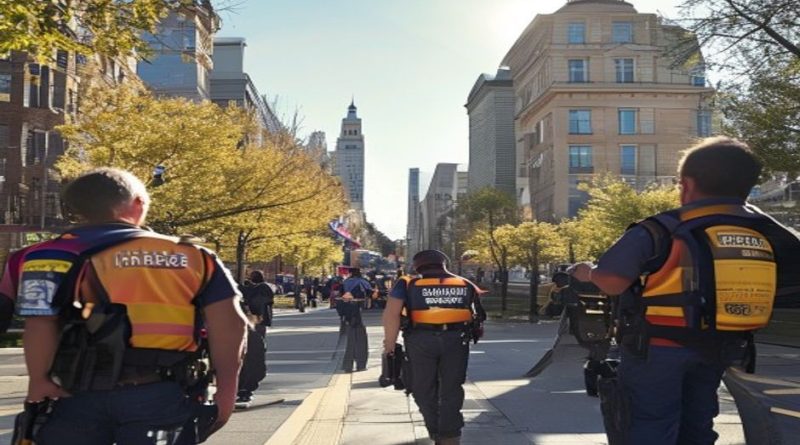
The signage replacement project carried an estimated cost of $400,000 to $500,000. The city has also committed to increasing police presence near campuses as students return to school, and drivers should note that tickets in school zones can run double the standard fine.
Fresno Unified recorded five pedestrian accidents near campuses last year. AJ Kato, a district spokesperson, said the district supports the move: “We’re pleased to see speeds reduced from 25 to 20 miles per hour and are proud it’s being done proactively ahead of the state’s deadline.”
The Breakdown
- Fresno dropped school zone speed limits from 25 mph to 20 mph citywide as of Wednesday, becoming the first California city to do so.
- The city council voted unanimously in February to adopt the change ahead of a 2031 statewide mandate (AB 382).
- The project required replacing roughly 800 signs across 149 schools at a cost estimated between $400,000 and $500,000.
- The city is increasing traffic officer presence near schools and warns that school zone tickets carry double fines.
What This Means for You
The city council made the call to spend roughly half a million dollars on signage and enforcement rather than wait until the state required it in 2031. The practical effect: drivers lose a few seconds per school zone. Whether that trade-off was worth front-loading the cost five years early is part of what you’re evaluating when those council members are up for reelection. The policy is now live, so expect increased ticketing near schools — enforcement is part of the implementation cost structure.
What to Watch
The city spent $400,000 to $500,000 in public funds on a safety initiative whose success metric — fewer pedestrian accidents near schools — is straightforward to measure. Fresno Unified logged five such accidents last year; that’s the baseline. The real test is whether that number drops, stays flat, or rises as enrollment and traffic patterns shift. If accidents don’t decline, the question becomes whether the spending bought anything beyond early compliance with a mandate the state was going to impose anyway.
There’s also a legitimacy question around enforcement: increased police presence near schools is part of the announced plan, which means more traffic stops in school zones. The city frames this as a safety measure, but any uptick in ticketing also functions as a revenue mechanism — school zone fines run double the standard rate. If ticket volume spikes significantly, it’s worth asking whether enforcement is targeting the highest-risk behaviors or simply capitalizing on a new, lower threshold that’s easier to trip. The material doesn’t state current ticket volumes, so you won’t have a before-and-after comparison until the city reports it.