Measure S would keep Fresno County's half-cent transportation tax — but with strings attached this time — Photo: Achim Hering — CC BY 3.0, via Wikimedia Commons
Measure S would keep Fresno County’s half-cent transportation tax — but with strings attached this time
Fresno County voters will decide November 3 whether to replace Measure C, the half-cent transportation sales tax that has paid for the county’s freeways, road repairs and bus service since 1987 and expires next summer, with a new measure that makes detailed promises about where the money goes and how it’s spent.
Measure S — the “Fresno County Transportation Improvement Act” — would keep the same half-cent tax rate for 30 more years, starting next summer. Its backers project it would raise about $7.4 billion over those 30 years.
Unlike every Measure C renewal attempt since 1986, Measure S only needs a simple majority to pass. It is a citizens’ initiative: supporters turned in more than 32,000 petition signatures, and the county registrar verified enough of them — 22,205, just over the 21,909 required — to put it on the ballot. That means it is not held to the two-thirds threshold that sank the 2022 renewal effort at 58%.
The measure makes three big promises: fix neighborhood roads first, make students safer near schools, and keep public transit running. And it does something no voter-approved version of Measure C has done before — it ties the money to measurable targets on neighborhood road quality and school safety, and writes spending rules into law that cities must meet before they can widen roads.
Annual independent audits, reviewed by a citizens oversight committee where elected officials are banned, will check that the rules are followed.
The Breakdown
- The tax rate stays the same: Measure S would begin collecting on July 1, 2027, the day after Measure C stops. The half-cent rate you’ve been paying since 1987 stays the same. Legally, though, Measure S is a new tax, not an extension of Measure C. If Measure S fails, the half-cent Measure C tax disappears after June 2027 and your sales tax rate goes down by half a cent, unless another measure replaces it.
- New road rules: Before a city can spend its Measure S road money on widening roads, its existing neighborhood streets have to average at least 70 on the Pavement Condition Index (a 0-to-100 scale) — the bottom of the “good” range. And every single street must score at least 65 — “fair” — before a city can spend Measure S money widening roads. Even then, it can spend no more than 5% a year on widening. None of Measure S’s neighborhood road money can pay for streets in new growth areas or new master planned towns.
- Worst streets fixed first: Measure S would devote about $160 million a year to road repaving, new sidewalks and other safety projects. The county’s main transportation planning agency, Fresno COG, designed Measure S to get the county’s roads to lift the countywide average to about 70 by the early 2040s and hold it there into the 2050s. That would put Fresno’s roads on par with San Diego County and Santa Clara County. The neighborhood roads in the worst condition get fixed first.
- School safety targets: Measure S aims to build at least 150 projects within a mile of schools by 2057 that would make it safer for kids to walk to and from school, cross the street to get picked up by their parents. By July 2029, each city and the county must count the serious injuries and deaths within a mile of every school over the prior five years, set yearly targets to reduce them, and adopt a plan to increase school safety after at least three public meetings. If a city or the county fails to get a plan for the kids done, they lose their share of Measure S’s neighborhood road money — all of it, pothole repairs included.
- Transit funding: A quarter of the money goes to transit — 70% of that to Fresno Area Express, 20% to the Fresno County Rural Transit Agency and 10% to Clovis Transit — and paratransit for seniors and people with disabilities must be funded first. Seniors 62 and older, active-duty military, veterans, people with disabilities, students and children get free bus fares.
- Access and Innovation Program: 4% of annual revenue goes to this program, which must first support free transit programs for seniors, veterans, active-duty military, people with disabilities, children and students. Only if money remains after those obligations are met can the Fresno Council of Governments award competitive grants for projects involving electric vehicle charging stations, hydrogen fueling infrastructure, zero-emission vehicle planning, micromobility hubs, telecommuting infrastructure and other future transportation technologies. Private-sector entities, nonprofits and other government agencies may apply for grants, but their applications must be submitted through and sponsored by the local government where the project is located.
- Regional roads and highways: Just 4% goes to projects that serve more than one city, including state highways — about $223 million over 30 years by the county’s estimate. Cities, the county and Caltrans compete for it, and projects must reduce driving, reduce crashes, increase walking, biking or transit, clean the air, improve access to jobs or bring other direct local benefits. These projects will only be selected after at least three public meetings — one each on the east side, the west side and in the Fresno metro area. Money is handed out in four rounds, the first by June 30, 2028, and agencies are only reimbursed after they spend, never advanced.
- Accountability structure: An 11-member Citizens Oversight Committee of everyday residents — politicians and their staffers are banned from being on the committee — reviews independent annual audits and tracks every dollar spent via a public online spending database. Every agency that receives funds must submit an independent audit. The Fresno Council of Governments also conducts its own countywide audit every year, posted online.
What This Means for You
Your vote on Measure S determines whether Fresno County’s half-cent transportation sales tax continues for another 30 years starting July 1, 2027, or disappears entirely. If Measure S passes with a simple majority, you keep paying the same half-cent rate you’ve paid since 1987, but the money goes toward a spending plan that puts measurable targets on neighborhood road quality and school safety — targets cities must hit before they can widen roads. If Measure S fails, the tax ends next summer and your sales tax rate drops by half a cent, but the county loses about $160 million a year for road repairs, transit service, and school safety projects.
The difference between this measure and the old Measure C is what the money can and cannot do: the old versions handed most of the money to cities as “flex dollars” and to a list of highway projects, spent “without being tied to specific success metrics,” according to a report commissioned by the county. Measure S bans spending neighborhood road money on streets in new growth areas, caps road-widening spending at 5% a year until existing streets average a 70 condition score, and cuts off a city’s entire road allocation if it fails to adopt a school safety plan by July 2029. Whether you want the tax to continue with those restrictions, or to end entirely, is what your vote decides.
Who Supports It, Who Opposes It
- Supporters: The Yes on S committee, Fresno County Residents for Better Roads and Safe Streets, is backed by the Central Valley Community Foundation (which contributed $848,000 of the campaign’s $1.8 million raised as of October 2), the North Coast States Regional Council of Carpenters, and the Fund for a Better Future — a committee of the Resources Legacy Fund, which helps fund campaigns that make California communities more resilient to the impacts of climate change. Eleven of Fresno County’s 15 mayors support the measure. Fresno Mayor Jerry Dyer said at a December 2025 Fresno Council of Governments meeting, “I go to a lot of places, and I hear from people that we spent all this money on Measure C but our roads are still terrible. So there is a belief out there that we haven’t spent money appropriately.” Former Fresno Mayor Ashley Swearengin, now president and CEO of the Central Valley Community Foundation, called opponents’ claims about the Access and Innovation Program “fussy and silly and misrepresenting what’s actually in this measure.”
- Opponents: Supervisor Garry Bredefeld, chair of the Fresno County Board of Supervisors, called Measure S “a scam” and “a public transportation tax disguised as a roads tax.” Bredefeld says, falsely, that Measure S won’t touch the county’s road maintenance backlog. He also objects to the requirement for 120 miles of bike lanes to be built out across the county. The No on S Fresno County Committee has raised $10,000 from retiring Supervisor Buddy Mendes’ campaign account and $25,000 from contractor, developer and major Republican donor Richard Spencer. The Valley Red Wave PAC has also spent $596 in “No on S” signs across the county. “No on Measure S” campaign manager Alex Tavlian called the Access and Innovation Program “a slush fund for the nonprofit funders of Measure S,” arguing the language gives too much discretion over how tax revenues are spent. Many opponents worry that the accountability measure baked into Measure S will hurt growth. If local roads have to get fixed first and school routes get safer before new roads get built, opponents say, that would hamstring local governments who want to build new roads near the fringes of town.
What You Can Do
Measure S appears on the November 3, 2026 ballot. Early voting is already underway, and you can vote by mail or in person on Election Day.
What to Watch
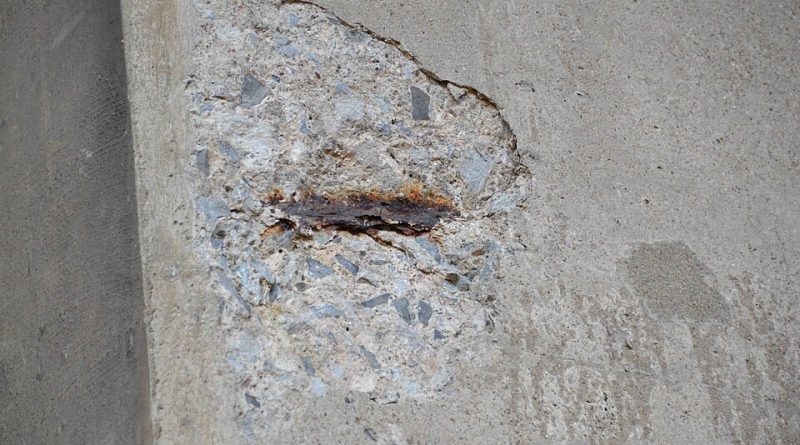
Fresno County’s average pavement score fell 14 points between the 2008 subprime mortgage crisis and 2020 — the biggest drop among California’s 10 biggest counties, according to a report commissioned by the county. The old Measure C spent money “without being tied to specific success metrics,” that report found. Measure S promises to fix that with measurable targets and an independent citizens oversight committee — but those targets only work if the audits actually catch misuse and if the committee has real power to stop it. What evidence will show whether the oversight structure is functioning as designed, or whether it’s just paperwork? The annual independent audits and the public online spending database are the records to watch. If a city fails to hit the 70 average pavement score or the 65 minimum for every street, or fails to adopt a school safety plan by July 2029, does it actually lose its road money, or does the enforcement fail?
The Access and Innovation Program — 4% of annual revenue, roughly $8 million a year after the free-fare transit programs are funded — is structured so that private-sector entities, nonprofits and other government agencies can apply for grants, but their applications must be submitted through and sponsored by the local government where the project is located. Supporters say this ensures accountability: Ashley Swearengin stated, “They have to go through the local governments that are actually host to the projects. So at the end of the day, our local governments that are directly accountable to the people, they are the ones who decide.” Opponents argue the language gives too much discretion over taxpayer money. The question is whether the competitive grant process administered by the Fresno Council of Governments — and the implementation policies and guidelines the agency will establish — actually direct the money to real transportation needs, or whether the process becomes a way to fund projects that benefit the nonprofits and private entities that funded the Yes on S campaign. The contracts, the grant awards, and the list of who applies (and who sponsors them) will show which side is right.
Opponents worry that requiring cities to fix local roads first and make school routes safer before building new roads will “hamstring local governments who want to build new roads near the fringes of town,” reducing the region’s economic dynamism. That framing assumes new roads on the fringes drive economic prosperity. The material itself documents the opposite: “sprawl development that those new highways served failed to deliver the promised economic prosperity,” and instead “local roads have become filled with potholes.” The real question is not whether Measure S will slow fringe development — it will, by design — but whether that redirection of taxpayer money from subsidizing sprawl to fixing existing streets actually improves the county’s economic position, or whether the county’s economy depends on the subsidy continuing. The answer is not settled, but the pattern is clear: the old Measure C built highways that served sprawl, and the county’s roads got worse. Measure S bets that fixing the roads residents already drive on, and making it safer for kids to walk to school, is better for Fresno County families than funding more sprawl. Whether that bet pays off, or whether the restrictions strangle growth in ways that hurt the county’s economy, is a legitimate open question — and the road condition scores, the school safety numbers, and the county’s job growth over the next decade will settle it.