
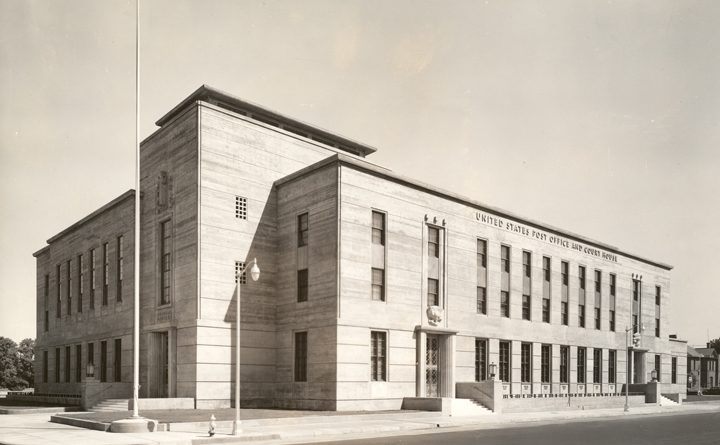
Fresno County Courthouse — Photo: National Archives — Public domain, via Wikimedia Commons
Family Files Government Claim Against Fresno County Over Jail Death
The family of Kane Anthony Rubio filed a government claim against Fresno County on July 8, alleging the Sheriff’s Office failed to protect the 22-year-old inmate who attempted suicide in custody and was later declared brain dead.
Rubio was arrested June 11 on charges related to an alleged domestic dispute and held at Fresno County Jail. He was found hanging in his cell June 14, according to the family’s attorney, Denisse O. Gastélum. He remained hospitalized for 17 days before being declared brain dead July 1.
The family alleges Rubio showed signs of suicidal thoughts and a psychiatric crisis while in custody. Crystal Rivas, Rubio’s 40-year-old mother, said she learned of her son’s condition from another inmate on a different floor hours after the incident. She spoke with a watch commander approximately three hours later and did not speak with the sheriff until the following day.

The government claim is the required first step before the family can file a civil rights lawsuit. The case could also settle before reaching that stage.
Gastélum said the family is demanding answers for the alleged failure to protect inmates. Rivas said she wants justice and does not want the same thing to happen to anyone else. The Sheriff’s Office did not respond to requests for comment by July 10.
The Breakdown
- A government claim was filed July 8 against Fresno County and the Fresno County Sheriff’s Office.
- The claim alleges the jail failed to protect Kane Anthony Rubio, 22, who the family says showed signs of suicidal thoughts and psychiatric crisis while in custody.
- Rubio was arrested June 11, found hanging in his cell June 14, and declared brain dead July 1 after 17 days hospitalized.
- Filing a government claim is the required first step before a family can file a civil rights lawsuit against a county.
What This Means for You
The Fresno County Sheriff is an elected position. This claim raises the question of what policies and procedures the Sheriff’s Office has in place for monitoring inmates with mental health crises, and whether those protocols were followed in this case. Voters deciding whether to retain or replace a sheriff evaluate that official’s record on jail safety and inmate welfare — this claim becomes part of that accountability record, regardless of its legal outcome.
What to Watch
The family’s claim alleges Rubio showed visible signs of psychiatric crisis before the suicide attempt. If that claim is accurate, the central question becomes whether jail staff recognized those signs and what, if anything, they did in response. Jails are required to have suicide-prevention protocols — the issue is whether those protocols existed on paper only or were actually implemented. A second question: the family learned of Rubio’s condition from another inmate, not from the Sheriff’s Office directly. That raises the notification-procedure question separately from the monitoring question — whether the office has a standard process for informing families when an inmate is hospitalized in critical condition, and if so, why it apparently was not followed here.