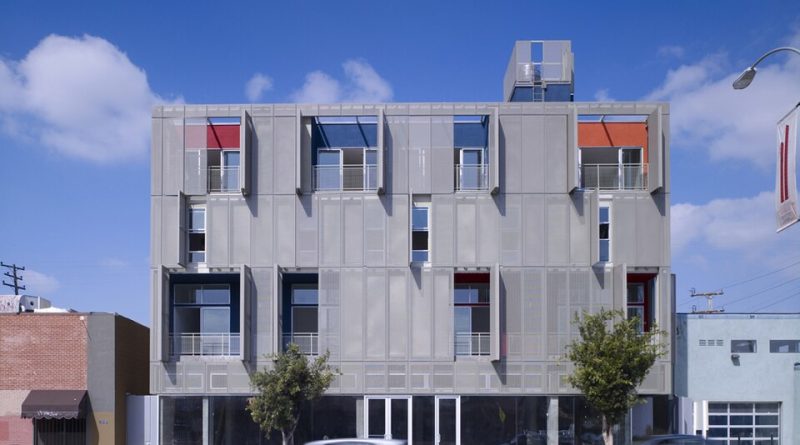
City Council Approved Subordination of $800,000 Loan on Fulton Village Affordable Housing — Developer Gets Cash Out, Taxpayers Move to Back of Line — Photo: Calderoliver — CC BY-SA 3.0, via Wikimedia Commons
City Council Approved Subordination of $800,000 Loan on Fulton Village Affordable Housing — Developer Gets Cash Out, Taxpayers Move to Back of Line
Fresno City Council approved a deal in February 2018 that let the new buyer of Fulton Village — a 48-unit affordable housing project at 1715 and 1759 Fulton Street — push the city’s $800,000 loan to the back of the line behind a private lender’s $4.2 million loan. The subordination agreement means if the project goes under, City National Bank gets paid first. Taxpayers wait.
The sale price was $7,992,750. The buyer put in $2,621,000 from a 1031 exchange and another $351,750 in equity — meaning the buyer walked in with $2.97 million in hand. The rest came from the bank loan and the city’s existing $800,000 loan, which the Redevelopment Agency originally made in 2009 at 1 percent interest for 30 years.
The staff report says the buyer is Fulton Village, LLC, a single-asset company that was still being formed at the time of the sale, with an estimated filing date of February 7, 2018. One of the principals is named Sam Deutsch. The report says the principals guaranteed the subordinated loan, but does not name the other guarantors.
The city’s loan was originally made in exchange for 55-year affordability covenants — a promise to keep rents low for low-income tenants. The staff report does not say whether those covenants transfer with the sale or what happens to them if the project is foreclosed.
The Breakdown
- The Redevelopment Agency loaned $800,000 in 2009 to build Fulton Village, a 48-unit affordable housing project, at 1 percent interest for 30 years, in exchange for a 55-year promise to keep rents affordable.
- The project sold in 2018 for nearly $8 million. The buyer needed a $4.2 million bank loan to close the deal, and the bank required the city’s $800,000 loan to be subordinated — moved behind the bank’s loan in repayment priority.
- City Council approved the subordination. If the project fails and is foreclosed, the bank gets paid from the sale first. The city’s $800,000 loan gets whatever is left, if anything.
- The buyer is a newly formed single-asset LLC. The staff report says the principals guaranteed the subordinated loan but names only one principal, Sam Deutsch, and does not identify the other guarantors.
What This Means for You
This is your City Council managing a loan you paid for. The original $800,000 came from redevelopment funds — taxpayer money set aside to build affordable housing.
Council’s February 8, 2018 vote let a private buyer use that public loan as part of the financing for a sale that also let the buyer pull out $2.97 million in personal equity (37% of the property’s value, according to the staff report). You now hold a riskier position than you did before: a subordinated loan to a newly formed LLC. If this project goes under, the private bank gets paid first.
What to Watch
Who actually guaranteed this loan? The report says “the principals” guaranteed the subordinated debt but names only one principal, Sam Deutsch. The staff report does not identify the others.
What happens to the 55-year affordability promise if this project is foreclosed?
The city subordinated its loan, which was tied to a 55-year affordability covenant — a legally recorded promise to keep rents low for low-income tenants. The staff report does not say whether that covenant survives a foreclosure or whether it’s tied to the subordinated loan in a way that makes it unenforceable if the loan is wiped out.
Why did the buyer structure the deal this way?
The buyer put $2.97 million total into this deal. The loan-to-value ratio the staff report cites — 63 percent including both the bank loan and the city’s subordinated loan — reflects the city’s piece now being second in line.
Is subordination a pattern? This is one project, one vote. The staff report does not indicate whether the city has subordinated other redevelopment loans to let private buyers refinance or sell.