
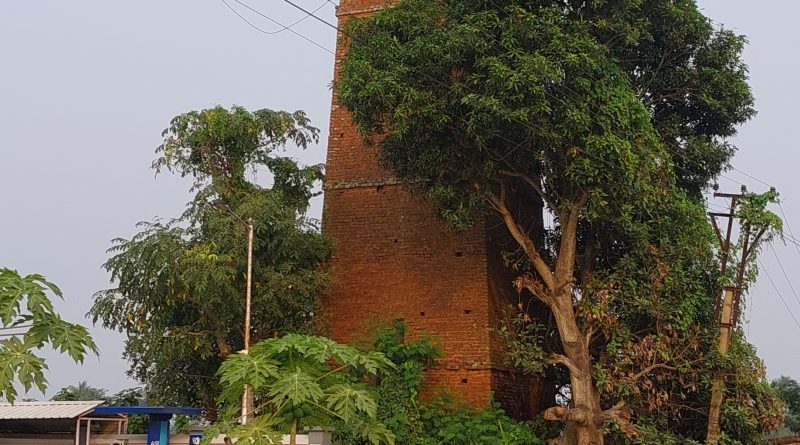
Tower District — Photo: Pinakpani — CC BY-SA 4.0, via Wikimedia Commons
Tower District vacant buildings still empty a year into city program — stronger rules coming
A year after Fresno launched a pilot program to tackle long-vacant Tower District storefronts, most of the empty buildings are still empty — and the Tower Neighborhood Association is demanding more from City Hall.
The Vacant Business Ordinance, brought forward by Councilmembers Annalisa Perea and Miguel Arias last June, was supposed to force negligent property owners to fix up their buildings or face penalties. A year in, the program has issued 55 notices to vacant property owners, but only one to three buildings have actually been cited for violations.
Now the Tower Neighborhood Association has launched a campaign called “Vibrant Not Vacant,” pushing for a program that measures success by whether buildings actually reopen — not just whether weeds get cut and doors get locked.

“We’re doing more to hold negligent property owners accountable,” Perea told Fresnoland in January, six months into the pilot. “On the other hand, I want to do whatever I can to help them get their buildings occupied again.”
Of those 55 notices issued since last summer, 23 cases were closed because code enforcement determined the property wasn’t actually vacant. Another 20 closed because owners came into compliance — fixing broken windows or addressing other violations. Nine cases remain open, mostly because owners haven’t fixed the problems or the city hasn’t been able to reach them.
In December, Perea brought forward a one-year tax incentive program offering small local businesses rebates of up to 50% of their city sales tax for two years if they move into a vacant Tower property. The program was written to favor mom-and-pop shops — applicants need at least three employees, and chains aren’t eligible. As of late January, Perea’s office had received zero applications and was working on getting the word out.
Arias plans to introduce a vacancy tax before his term ends, adding onto property tax bills for owners whose buildings stay empty past a certain point. “The fact is, a vacant property costs the public a lot more resources than (an) occupied property, both in police and fire time and code enforcement,” he said. “If somebody is going to intentionally keep their property vacant, the rest of the public should not have to pay or subsidize the amount of public resources required to maintain that property.”
But not everyone thinks the stick — or two sticks — will work. Scott Miller, who heads the Fresno Chamber of Commerce and owns a vacant Tower property himself, said the program “presupposes” owners can rent or sell faster “if they try harder,” when that’s not always the case. “It’s been vacant for a little while,” he said of his property, empty since last March. “But that’s how it works. I want to get somebody in there, but it’s not outrageous with a property like this that’s so unique and different.”
Veronica Stumpf, a commercial real estate broker with Tower clients, said she hasn’t seen the pilot change owner behavior “just yet.” “What I’m seeing is owners often become more willing to sell only after a fire or major incident happens,” she said, “which is exactly what this ordinance is trying to prevent.”
Tower’s commercial vacancy problem has some unique factors. Many properties are owned by families with multiple decision-makers, some living out of state. “A lot of the property owners are asset-rich, but they’re cash-strapped,” Stumpf said — families who inherited properties but lack the money to fix them up or can’t get relatives on the same page about leasing them. Renovation costs can run $250,000 to $500,000, and few businesses want to spend that on a building they’ll lease, not own.
Cami Cipolla, interim executive director of the Tower District Business Association, is living that dilemma. She wants to open an arcade with old-school games, board game rooms, and drinks and snacks in the vacant Chicken Pie Shop building. But the thought of the renovation costs is daunting. “I’ve tried to get in touch with (the owners) multiple times, and it’s gone nowhere. But my understanding is it’s completely gutted on the inside,” she said, “which means you’ve got to start from the bottom up.”
Still, Cipolla sees progress in the pilot. “I think it has helped the communication with some of the building owners,” she said — a step forward in reaching absentee owners who don’t live in the area and are hard to pin down.
Perea plans to bring a revived, more aggressive version of the pilot before the city council by the end of September.
The Breakdown
- The Vacant Business Ordinance pilot, launched June 2025, requires owners of boarded-up Tower buildings to make their property ready for occupancy within four months of boarding it up — with exceptions for active permits or properties the City Attorney declares aren’t a “nuisance.”
- Owners must also register vacant properties within 30 days, including contact information and the date the property became vacant.
- The December 2025 tax incentive program offers small local businesses (minimum three employees, no chains) rebates of up to 50% of their city sales tax for two years if they move into a vacant Tower property.
- Councilmember Miguel Arias plans to introduce a vacancy tax that would add onto property tax bills for owners whose buildings stay vacant past a set period.
- The Tower Neighborhood Association launched “Vibrant Not Vacant” to push for a program that measures success by actual reactivation, not just compliance with boarding and landscaping rules.
What This Means for You
When Perea brings her “more aggressive” version of the pilot to the council by September’s end, the revised program will be up for debate. If Arias follows through on the vacancy tax, owners who leave buildings empty would pay more to cover the public cost. Both councilmembers represent the Tower District. Some empty buildings in Tower have stood vacant since the Nixon administration.
What You Can Do
Perea’s office is actively looking for small businesses to apply for the Tower tax incentive program — if you run or know a local business that fits the criteria (minimum three employees, not a chain), her office is working to get the word out about the program.
What to Watch
The real test of this program isn’t how many notices get issued or how many weeds get cut — it’s whether any of these buildings actually reopen. Miller, the Chamber head, put it plainly: “If we can point to a building that’s been vacant for multiple years that is now not, and it’s as a result of this program, then it’s successful. If not, it’s just another layer of stuff that business owners need to navigate.”
But there’s a deeper question the material raises: why are these buildings still empty in the first place? The vacancy rate in Tower (5.3%) is actually lower than the city overall (7.5%), but Tower has an absorption rate of -2.4% — meaning new commercial space is being added faster than it can be leased. According to Stumpf, that’s a sign of hyper-supply.
Stumpf pointed to other tools the city could offer: expedited permits, streamlined approvals for basic tenant improvements, or dedicated case managers for rehab projects in the pilot zone. Low-interest loans for landlords to fix up their properties are another option that has been raised.
The vacancy tax Arias is planning raises its own question: if owners are “asset-rich but cash-strapped,” as Stumpf described, what happens when another bill is added to properties already struggling with renovation costs?