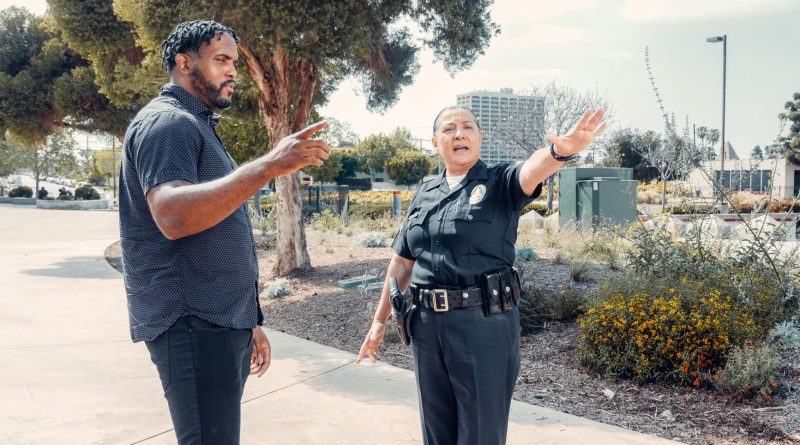
government civic community scene — Photo by Kindel Media via Pexels
Governor Flags Fresno for Failing to Use Mental Health Court System
Governor Gavin Newsom has called out Fresno County for underperforming on CARE Court, the mental health intervention system designed to connect people to expanded treatment facilities. The criticism comes even as the state reports exceeding goals by delivering 6,919 mental health residential treatment beds and 27,561 outpatient slots funded through Proposition 1 — the expanded capacity CARE Court was designed to use.
But according to an opinion piece by retired attorney Daniel O. Jamison published in The Business Journal, Fresno County isn’t getting people into the system. As of May 17, 2026, the county and the Fresno County Superior Court were still using an outdated, more restrictive definition of “gravely disabled” on their websites — five months after the law changed on January 1, 2026.
The old definition covered only whether someone could meet their needs for food, clothing, or shelter. The new definition includes personal safety and necessary medical care, and adds severe substance use disorder as a qualifying condition. That should mean more people lying on sidewalks, unable to care for themselves, could get help. But not if the county’s own websites don’t tell first responders what the actual law is.

Jamison also points to a January 1, 2026 expansion of who qualifies for CARE Court petitions. The law now includes people with bipolar I disorder with psychotic features, not just schizophrenia spectrum disorders. That expansion also hasn’t been widely publicized.
The piece identifies several barriers keeping the system from working: first responders must have “repeated encounters” with someone before filing a petition, even though the expanded definition of grave disability should make multiple contacts unnecessary. Many first responders may not know they can ask the county to prepare the petition for them. And CARE Court medication orders aren’t enforceable — the system relies on voluntary compliance from people experiencing severe psychosis, which Jamison calls unlikely.
Jamison proposes legislative fixes, including giving judges three options when someone refuses medication: hold them in contempt, order a 30-day involuntary hold with forced medication, or start conservatorship proceedings.
The Breakdown
- Proposition 1 funded expanded mental health treatment facilities statewide — 6,919 residential beds and 27,561 outpatient slots.
- CARE Court is the legal process designed to connect seriously mentally ill people to those facilities, through petitions filed by first responders.
- As of mid-May 2026, Fresno County and the Fresno County Superior Court websites still displayed the pre-2026 eligibility criteria, five months after the law expanded who qualifies.
- The law now covers people who can’t meet their needs for food, clothing, shelter, personal safety, or necessary medical care due to mental health disorder, severe substance use disorder, or both — broader than the old food/clothing/shelter standard.
- Eligibility also expanded to include bipolar I disorder with psychotic features, not just schizophrenia spectrum disorders.
- Current barriers: first responders need “repeated encounters” before filing; many may not know the county can prepare petitions for them; medication orders can’t be enforced.
What This Means for You
Governor Newsom is now on record saying Fresno County isn’t doing its part to use the mental health treatment capacity funded through Proposition 1. Meanwhile, the county government and court system left outdated legal information on their websites for months after the law changed — a failure that directly affects whether first responders know they can file a petition for someone in crisis.
That gap between the funded treatment capacity and what’s being used matters when you’re weighing how the county and state are using the authority and dollars provided. If the expanded facilities sit unused while people remain on the streets, that’s an implementation failure by the officials running the program, not a lack of resources.
What to Watch
The stated problem here is awareness and execution, not money — the beds and outpatient slots exist, funded by Proposition 1. So why isn’t Fresno using them? The outdated websites are one concrete answer, but Jamison’s piece raises a broader question: how many first responders have actually been trained on the changes, and how many know they can ask the county to do the paperwork?
If this is a training and outreach problem, that’s fixable — the county and courts could update their websites, run public education campaigns, and train first responders. But if it’s a structural problem — the “repeated encounters” requirement, the unenforceable medication orders — then the system is designed not to work, no matter how many beds Proposition 1 funded.
Watch whether Fresno County responds to the governor’s criticism with concrete steps: updated websites, public education on who qualifies and how to file, training for first responders. And watch whether the state legislature takes up Jamison’s proposed fixes for the structural barriers, or whether this stays a program that looks good on paper but doesn’t move people off the streets.