
voting ballot box election — Photo by Edmond Dantès via Pexels
Esparza Pushes Ballot Measure to Block City Subsidies for SEDA Development
Fresno City Council President Nelson Esparza wants voters to decide whether the city can use general fund revenues or waive development fees to finance the Southeast Development Area. The proposed “No Debt on Development Act” would appear on the November 2026 ballot if the council approves it by the Aug. 7 deadline.
SEDA — Fresno’s roughly 9,000-acre expansion zone on the city’s southeastern edge — has been designated for residential, commercial, industrial, and employment growth. Esparza’s measure would apply to roughly 7,000 of those 9,000 acres, exempting the southern portion where about 4,800 homes are proposed.
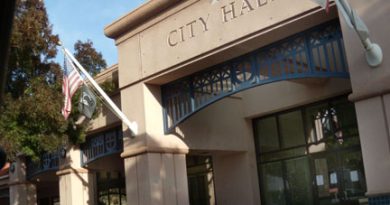
The proposal prohibits the city from tapping general fund dollars or forgiving impact fees that developers would normally pay. “Simply put, if the City of Fresno is to eventually adopt a version of the SEDA specific plan and landowners wish to proceed to develop it, this measure effectively mandates that they do so by committing their own financial resources or utilize one of many specifically dedicated financing mechanisms that do not come at the expense of city residents and their tax dollars,” Esparza said at a Friday news conference at City Hall.

The Council President grouped this measure under what he’s calling “Good Governance Reforms.” He plans to bring it before the full council on July 30. Mayor Jerry Dyer could veto the measure if it advances.
Esparza argued the city can’t afford to subsidize major development projects while continuing to invest in established neighborhoods and Fresno’s urban core. He said public concern centers on SEDA’s eastern portion, while the western side has already received significant investment.
The Breakdown
- The measure would prohibit the city from using general fund revenues to subsidize SEDA development.
- It would also block the city from waiving development impact fees.
- The restriction applies to roughly 7,000 of SEDA’s 9,000 acres; the southern portion with about 4,800 proposed homes is exempt.
- Developers would need to use their own capital or “specifically dedicated financing mechanisms.”
- Council votes July 30; the deadline to place measures on the November 2026 ballot is Aug. 7.
What This Means for You
This measure asks you to decide whether the city can use general fund revenues or waive development fees to subsidize private development in a 9,000-acre expansion zone. If it reaches the ballot and passes, developers building in most of SEDA would be prohibited from receiving these city subsidies and would need to cover costs themselves or use other financing mechanisms.
The immediate question is whether the council even puts this on the ballot — that vote happens July 30, with an Aug. 7 deadline to meet.
What You Can Do
The council votes on whether to place this measure on the ballot at its July 30 meeting. Contact your council member before that date to weigh in on whether voters should decide SEDA financing rules, or whether the council should retain that authority.
What to Watch
The core question: who bears the cost when a city expands — the private interests who profit from new construction, or the taxpayers who fund services in existing neighborhoods? Esparza frames this as a taxpayer-protection measure, ensuring developers commit their own capital rather than drawing from general fund revenues.
The counter-angle worth watching: what happens when the city doesn’t subsidize a development zone? Does growth simply slow or stop, leaving the 9,000-acre area undeveloped while demand pushes housing costs higher citywide? Or do developers proceed anyway, because the market opportunity justifies their own financing — in which case, why was a subsidy ever on the table?
Also watch the exemption: the measure excludes SEDA’s southern portion, where 4,800 homes are proposed. Esparza says public concern centers on the eastern portion, but the exemption creates a two-tier financing structure within the same development area. Why one portion gets carved out while the other faces restrictions is a legitimate question.