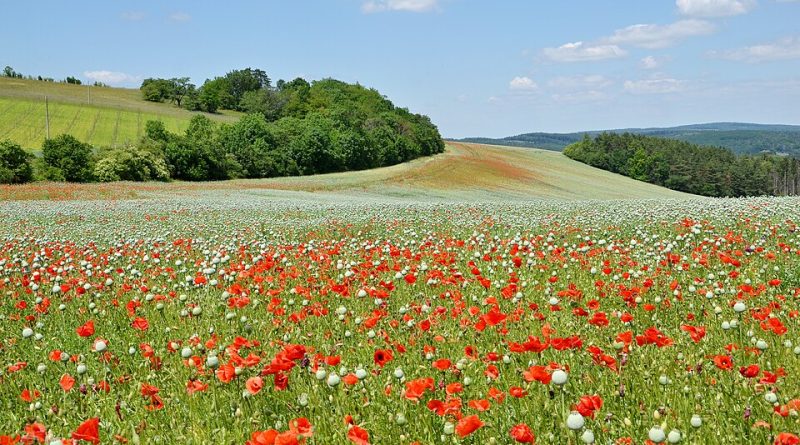
For the first time in 70 years, no farmers will serve on Fresno County Board of Supervisors — Photo: Pudelek — CC BY-SA 4.0, via Wikimedia Commons
For the first time in 70 years, no farmers will serve on Fresno County Board of Supervisors
Starting in January 2027, the Fresno County Board of Supervisors will seat its first board without a single farmer, dairy farmer, or rancher since the mid-1950s — a first in the modern era for the nation’s top agricultural county.
The shift comes as two longtime farmer-supervisors, Brian Pacheco and Buddy Mendes, finish their 12-year terms. Pacheco is running for State Assembly, while Mendes is retiring. Neither of their successors farms.
Margaret Mims, the former Fresno County Sheriff, won Mendes’ District 4 seat in the June primary. In District 1, Fresno City Councilmember Mike Karbassi and Kerman Mayor Maria Pacheco — a small business owner and a former social worker, respectively — are competing to replace Brian Pacheco on the November ballot.
If current District 5 Supervisor Nathan Magsig wins his State Senate race as expected, a third seat will open in a 2027 special election. The likely candidates — Clovis Mayor Vong Mouanoutoua, Clovis Mayor Pro Tem Diane Pearce, and Fresno County Board of Education Trustee Allen Clyde — also have no farming background.
“It’s a historic change and definitely a quantum shift,” said Paul Betancourt, a semi-retired almond farmer outside Kerman and past president of the Fresno County Farm Bureau. “It’ll just be another step farther away [from] the most important industry in our area.”
Fresno County regained its standing as the nation’s top agriculture-producing county in 2025 and became the first to surpass $9 billion in annual sales, according to the county crop report. Agricultural operations cover nearly half of the county’s 3.8 million acres and support 20% of jobs in the Fresno area.
“I think it’s a big loss,” said Mendes, who farms almonds, pistachios, cotton, and corn near Lanare. “It’s not so much political power. It’s to have somebody on the board that really understands what [farmers] do.”
Brian Pacheco, a dairy farmer whose operation outside Kerman includes 1,500 milk cows and the crops to feed them, called the loss of first-hand ag experience among county electeds “very concerning.” He said he reached out to several farming neighbors and asked them to run when he decided to pursue the Assembly seat, but none stepped forward. “Most farmers just want to farm,” he said. “They don’t want the public scrutiny that comes with [political office].”
The change reflects Fresno County’s urbanization over the last 50 years. In 1980, Fresno and Clovis accounted for less than half of the county’s population, according to census data. In 2026, those two cities make up roughly 67% of the county population.
Following the 2021 redistricting, all five supervisorial districts now include a portion of the city of Fresno. Two districts are almost entirely within Fresno city limits, while Clovis voters make up 60% of the electorate in District 5. District 1, historically a rural district, now has urban voters from northwest, west, and south Fresno making up roughly half of the electorate.
“We’re the No. 1 ag county, but we’re still considered an urban county,” said Ryan Jacobsen, CEO of the Fresno County Farm Bureau. “It’s one of the complexities that we deal with.”
While ag-related issues don’t often come before the Board of Supervisors for direct votes, county supervisors serve on the boards of Groundwater Sustainability Agencies (formed under the state’s Groundwater Sustainability Management Act to manage and protect groundwater basins) and the San Joaquin Valley Air Pollution Control District, which regulates ag burning and offers incentives for cleaner-burning farm equipment.
Stuart Woolf, whose operation grows almonds, pistachios, tomatoes, grapes, onions, garlic, wheat, hay, and agave outside Huron, said he relied on Pacheco and Mendes to help cut through bureaucratic red tape when he wanted to convert non-irrigated land to solar energy production. “We’ve been really challenged getting things like solar development projects through the whole planning department,” Woolf said. “I’ve spent a lot of time reaching out to some of our supervisors and talking to them about the timeliness of this stuff, because some of these developers eventually get tired of waiting and they’ll go someplace else.”
When Fresno County experienced severe flooding in the spring of 2023, Mendes’ extensive knowledge of waterways and irrigation canals proved invaluable, according to the material.
The Breakdown
- The Fresno County Board of Supervisors will have no farmers, dairy farmers, or ranchers starting in January 2027 — the first time since the mid-1950s and one of the rare instances in the county’s 170-year history.
- Current farmer-supervisors Brian Pacheco (District 1) and Buddy Mendes (District 4) are both finishing their 12-year terms. Pacheco is running for State Assembly District 27, while Mendes is retiring.
- Their successors — Margaret Mims (a former sheriff) in District 4, and either Mike Karbassi (a small business owner) or Maria Pacheco (a former social worker) in District 1 — have no farming background.
- A third seat in District 5 is likely to open in 2027 if Nathan Magsig wins his State Senate race; the likely candidates have no farming experience either.
- The shift reflects urbanization: Fresno and Clovis now make up 67% of the county’s population, up from less than half in 1980. All five supervisorial districts now include a portion of the city of Fresno following the 2021 redistricting.
- County supervisors serve on Groundwater Sustainability Agency boards and the San Joaquin Valley Air Pollution Control District, both of which directly affect farming operations.
What This Means for You
The five people you elect to the Fresno County Board of Supervisors shape how the county handles water, land use, and air-quality rules that govern the industry supporting one in five local jobs. For the first time in 70 years, none of those five will be a farmer — meaning no one at the table will have spent a season managing an irrigation schedule, navigating groundwater rules, or dealing with the Air Pollution Control District’s equipment regulations firsthand.
That matters because those supervisors also serve on the boards that set groundwater policy and air-quality standards. When you vote for a county supervisor, you’re deciding whether the person making those calls has lived the consequences of them — or will need someone else to explain them.
What You Can Do
The race for District 1 — between Mike Karbassi and Maria Pacheco — is on your November ballot if you live in northwest Fresno County, including portions of west and northwest Fresno.
If you live in District 5 (which includes much of Clovis), Nathan Magsig’s State Senate race will determine whether a special election opens his supervisor seat in 2027. Watch for that race and the candidates who file.
What to Watch
The Fresno County Farm Bureau says it’s up to them to educate the new board members who don’t have farming experience. “It’s going to be up to people like myself to make sure that we’re in constant communication with the board members and be able to communicate the issues that are affecting our industry to those folks,” said Ryan Jacobsen, the Farm Bureau’s CEO.
But who actually speaks for the industry when the people making the decisions don’t farm anymore? The Farm Bureau represents organized agriculture — growers with the time, resources, and connections to show up at board meetings. The question the county is about to answer is whether a lobbying relationship replaces the judgment that comes from having managed a farm yourself — knowing which irrigation district serves which part of the county, which crops can’t wait another week for a permit, what a delay in a solar project actually costs.
Stuart Woolf’s solar example is instructive: he got his solar project through because he could call Pacheco and Mendes directly, and they understood the stakes without needing a briefing. A farmer without those connections, or without the scale to make the county planning department move faster, might not get the same result. The test of this new board will be whether responsiveness to the ag industry depends on who you know — or whether the board builds the expertise to serve the entire farming community, not just the ones who can afford to lobby.
And there’s a harder question underneath: Brian Pacheco says he asked several farming neighbors to run for his seat and none stepped forward. If farmers don’t want to run, is it fair to ask the rest of the county to leave a seat open for them? The urbanization is real — two-thirds of the county lives in Fresno and Clovis now, and every supervisorial district includes part of the city of Fresno. The question for voters is whether a board that reflects where people live can still govern an economy that depends on what happens outside city limits.