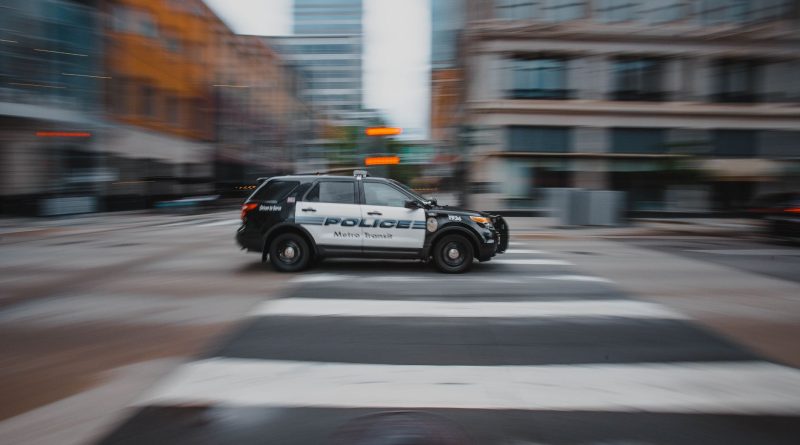
police car patrol city street — Photo by Josh Hild via Pexels
Fresno PD’s Tower District Police Surge: Expert Says Presence Alone Won’t Cut Crime
Fresno Police Department has deployed up to 30 officers at a time to the Tower District’s nightlife corridor since around 2024, but a national expert on nightlife policing says the strategy won’t deliver results without a clear prevention framework behind it.
Police Chief Mindy Casto cited “volatility of the crowd” — particularly late-night sidewalk gatherings after bars close — as the driver for the increased presence. District Attorney Lisa Smittcamp offered a blunt counter-view at a Board of Supervisors meeting last week: “Police presence and law enforcement presence deters crime. Period. End of story.”
Dimitrios Mastoras, a retired Master Police Officer from Arlington County and now executive vice president of Safe Night LLC, a consulting firm specializing in nightlife management, disagreed. Speaking generally about nightlife policing, he told The Bee that “presence alone does not prevent crime.” He added: “The typical responses from police departments are to ramp up enforcement or ramp up presence.” That approach, he said, doesn’t work without prevention-based tactics.

Mastoras speaks from direct experience managing Clarendon, a high-density nightlife area near Washington D.C., where he developed an evidence-backed model that engages bar owners, residents, and multiple agencies to intervene before violence escalates. He now consults with cities like Fort Worth, where he said officers previously “just had ton of cops standing around, holding up police cars, and no interaction, no engagement, no prevention-based work.”
After Fort Worth shifted to assigning officers specific responsibilities, tracking incidents before crime occurs, and working with stakeholders to understand why certain venues attract violence, public intoxication fell around 50%, disorderly conduct fell 60%, and aggravated assault fell 76% over six months, Mastoras said.
Lt. Larry Bowlan, a Fresno PD spokesperson, said the department employs “a multitude of strategies” and works collaboratively with Tower District businesses, though it doesn’t “employ a consultant to coordinate our efforts.” He emphasized gang presence as a distinguishing factor: “Unlike other cities where the nightlife and drinking are the primary issues, in Fresno, we are concerned with gang presence in the Tower.”
Bowlan said the Multi-Agency Gang Enforcement Consortium (MAGEC) provides intelligence on “impending conflict between gang members in the Tower,” and that officers’ “ability to recognize rival gang members and intervene before violence occurs is critical to maintaining safety.” The department also works with violence intervention program Advance Peace and monitors businesses for compliance with Conditional Use Permits, including over-serving alcohol, he said.
One friction point: food trucks. Fresno PD has said street vendors contribute to crowd “volatility” and encourage people to congregate after hours. Mastoras disagreed, saying he’d rather young people “fill their bellies up with tacos” as a harm-reduction measure. “As long as they were operating in a legitimate way, and they brought something to the district, I think we should find ways to say yes and support these types of things,” he said.
The Breakdown
- Fresno PD has stationed up to 30 officers at a time in the Tower District since around 2024, citing late-night crowd volatility.
- A national expert on nightlife policing said increased police presence without a clear prevention strategy doesn’t reduce crime in nightlife districts.
- DA Lisa Smittcamp countered that police presence deters crime, period.
- Fresno PD said its strategy includes gang intelligence via MAGEC, collaboration with violence intervention program Advance Peace, and monitoring businesses for alcohol over-service and permit compliance.
- The department cited food trucks as contributing to crowd volatility; the expert disagreed, calling street food a harm-reduction tool.
What This Means for You
This is a resource-allocation question with real cost attached: up to 30 officers assigned to a single district on weekend nights is a staffing commitment voters are funding, and the disagreement on strategy is whether that investment is structured to deliver results or simply to maintain visibility.
What to Watch
Fresno PD says its strategy goes beyond presence — gang intelligence, business collaboration, violence intervention partnerships. The expert’s critique isn’t that those tactics are wrong, but that “presence alone” isn’t a strategy at all, and that prevention-based work requires tracking outcomes beyond arrests. Here’s the ROI question: is the department measuring what Mastoras measured in Fort Worth — reductions in public intoxication, disorderly conduct, and assault over a defined period — or is the metric simply “officers deployed”? If the latter, the taxpayer is funding inputs, not outcomes. And on food trucks: Fresno PD calls them a volatility driver; the expert calls them harm reduction. That’s not a technical disagreement — it’s a policy choice about whether the goal is to disperse the crowd or to keep them fed and safer. Which approach the city is actually pursuing, and whether it’s working, is worth tracking as this deployment continues.