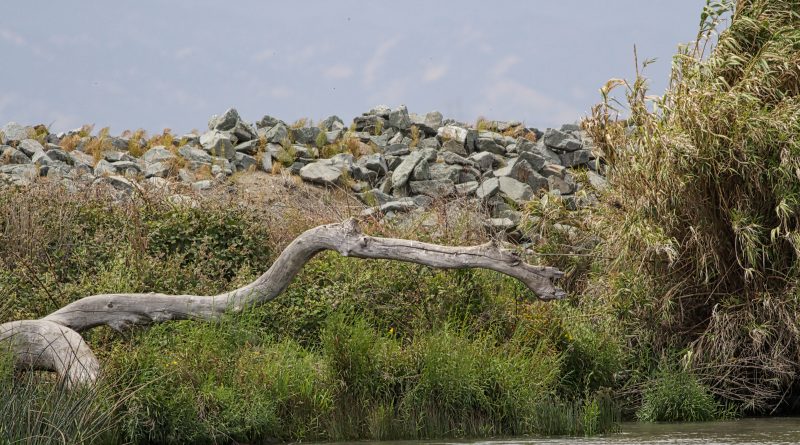
Sacramento-San Joaquin Delta — Photo: Pacific Southwest Region USFWS from Sacramento, US — Public domain, via Wikimedia Commons
State Water Board Faces Pushback on Bay-Delta Plan Ahead of October Vote
A state water regulation up for a vote next month is drawing sharp opposition from Republican legislators who say the plan’s rules remain too vague to measure the real cost to families, farms, and water supplies across California.
The California Water Resources Control Board is set to consider the Bay-Delta Water Quality Control Plan on Oct. 28-29. The plan governs water flows through the San Francisco Bay/Sacramento-San Joaquin Delta Watershed — a system that supplies drinking water to 25 million Californians and irrigates 7,000 square miles of farmland.
Assembly Minority Leader Alexandra Macedo, R-Tulare, sent a Sept. 17 letter to the board’s chair raising concerns that the plan establishes a regulatory framework without defining how it would actually work. The framework is based on releasing 55% of unimpaired flow on tributaries to the Sacramento River and Delta, subject to adjustments and future implementation decisions, Macedo wrote.

“Such a sweeping regulatory approach could have significant consequences for reservoir storage, water deliveries, groundwater conditions, agricultural production, rural communities, and the broader California economy,” Macedo said in the letter. “Yet critical elements of how that regulatory program would actually operate remain unresolved.”
Among the unresolved questions: who would be required to provide water under the board’s rules, when that water would need to be released, and what those requirements mean for communities and industries that rely on the Bay-Delta system.
The board responded that the plan is the result of years of collaboration with water users, federal and state agencies, tribes, and communities. “It was deliberately built to offer two enforceable paths to the same goal: participants may implement the negotiated package of flows and habitat restoration or meet the plan’s flow-based regulatory requirements,” said Ailene Voisin, information officer for the board.
One point of contention is the Healthy Rivers and Landscapes program, which aims to restore rivers, floodplains, and natural landscapes to create better habitat for salmon populations, expand bird and wildlife populations, and increase productivity of ricelands, orchards, and field crops, according to the program’s website.
The California Department of Water Resources defended the program as “a critical step forward to protect future water supplies while improving environmental conditions across our largest river systems.”
The Breakdown
- The Bay-Delta Water Quality Control Plan regulates water flows through a watershed covering more than 75,000 square miles — the primary drinking-water source for 25 million people in California and irrigation for 7,000 square miles of agriculture.
- The plan establishes a framework requiring 55% of unimpaired flow on tributaries to the Sacramento River and Delta, subject to adjustments and future decisions.
- Republican legislators say critical details remain undefined: who must provide water, when it must be released, and what the real-world impact will be on water deliveries, reservoir storage, groundwater, and agricultural production.
- The board says the plan offers two paths — participants can either implement a negotiated package of flows and habitat restoration, or meet flow-based regulatory requirements.
- The Healthy Rivers and Landscapes program, tied to the plan, aims to restore rivers and habitat for salmon and wildlife while increasing productivity of ricelands, orchards, and field crops.
What This Means for You
The state board will vote on this plan Oct. 28-29. Republican legislators say the framework lacks specifics about who must provide water, when it must be released, and what the consequences will be. The board says it has built in flexibility and two paths to compliance.
What You Can Do
The Water Resources Control Board will consider the Bay-Delta plan Oct. 28-29. If you want to weigh in, check the board’s website for public-comment procedures and deadlines.
What to Watch
The tension here: the board says it’s built in flexibility and two paths to compliance, but Republican legislators say the lack of specifics means communities can’t measure the real cost before committing. Who’s right depends on what the board actually puts on the table at the October meeting — whether the final plan answers the questions raised in Macedo’s letter, or whether those answers are deferred to future rulemaking. Watch whether the board clarifies who must provide water, when, and under what conditions — or whether those details remain unresolved.
There’s also a deeper question worth asking: does this plan strike the right balance between environmental restoration and the economic stability of the communities that depend on this water? The board frames it as protecting fish, wildlife, tribes, and water supplies all at once. Legislators frame it as a sweeping regulatory reach with unresolved costs.