
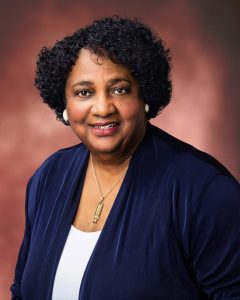
Dr. Shirley N. Weber, a Democrat, is California’s 32nd Secretary of State and the first Black person to hold the office. Governor Gavin Newsom nominated her in December 2020 to succeed Alex Padilla, and she was sworn in in January 2021, then won a full four-year term in November 2022. She is seeking re-election in November 2026 against Republican Orange County Supervisor Don Wagner.
Born to sharecroppers in Hope, Arkansas, Weber’s family fled the state after her father was threatened by a lynch mob, resettling in South Los Angeles when she was a young child. She went on to earn bachelor’s, master’s, and doctoral degrees from UCLA in her twenties, then spent roughly 40 years on the faculty at San Diego State University, where she helped found the Africana Studies Department and chaired it for multiple terms.
Weber served four terms in the California State Assembly representing the San Diego area, chairing the Assembly Elections and Redistricting Committee and becoming the first African American to chair the Assembly Budget Committee. She also chaired the California Legislative Black Caucus. Her signature legislation, AB 392, rewrote the legal standard governing police use of deadly force in California from “reasonable” to “necessary,” passing after the fatal police shooting of Stephon Clark in Sacramento. She also authored AB 3121, creating the nation’s first state task force to study reparations proposals for African Americans.
As Secretary of State, Weber oversees California’s elections, business filings, and state archives, and has emphasized expanding voter access. Her tenure has included friction with the federal government: the U.S. Department of Justice has sued California over withheld voter-list data and warned state election officials of possible criminal exposure over noncitizens allegedly remaining on voter rolls, which Weber’s office has characterized as protecting voter privacy against federal overreach. She has also faced criticism over California’s lengthy ballot-certification timeline, responding that “accuracy is far more important” than speed, and her office drew scrutiny after the state’s official voter guide published a candidate statement containing antisemitic claims, which Weber said state law did not permit her office to reject or alter.