Over 200 Detained in Fresno-Area ICE Raids Since October, Faith in the Valley Reports
More than 200 people have been detained in the Fresno area since early October during ongoing federal immigration enforcement operations, according to Nora Zaragoza-Yáñez, program manager at Faith in the Valley’s watch network.
That count is incomplete, Zaragoza-Yáñez told Fresnoland — families often reach out days or weeks after a detention, after first trying to locate their loved ones and figure out where to turn for help.
The escalation, first reported by the Washington Examiner in early October citing a confidential source, is part of what the newspaper called “Operation Safe California,” expected to run 45 days leading into the midterm elections. The Department of Homeland Security would not confirm or deny the operation when Fresnoland asked, but released the names of five people it said were detained in California — four in Southern California, one in Stockton.
Since September, 8,411 habeas corpus petitions — legal filings seeking release from detention — have been filed in the Eastern District of California, the highest rate in the country, according to analysis by ProPublica. Many detained individuals are now filing these petitions together in hopes of securing their release.
Faith in the Valley volunteers have helped people return home to at least 29 states after release from ICE custody in the Central Valley, including Texas, Utah, Florida, Maryland, New Jersey, New York, and Washington. Volunteers work shifts of three to four people at a time, helping arrange flights, print boarding passes, and escort people to the airport or other transportation.
“We’re the first folks to greet them back into society, back into the community, and let them know that they’re safe, and that we can help them and their families coordinate their travel logistics to get back home,” Zaragoza-Yáñez said.
People released from ICE offices in Fresno and Bakersfield often leave with only a green card, passport, or cellphone — items offering limited proof of identity, Zaragoza-Yáñez said. They are given mesh onion bags to carry their belongings. They may not get back their identification documents, work permits, or wallets, and their cellphones may not work or need charging.
“There’s no words to describe the cruelty that’s happening,” Zaragoza-Yáñez said. “And quite frankly, it’s the hunting. You can’t phrase it any other way.”
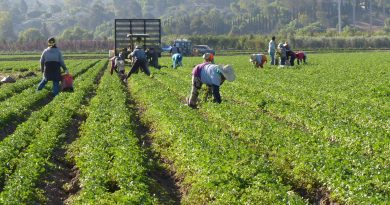
Zaragoza-Yáñez described federal agents targeting people who appear to be Latino, Hispanic, or Haitian, particularly those driving early in the morning to work in construction, agriculture, or landscaping. Agents, driving as early as 3 a.m., are using large trucks, SUVs, and passenger vans that can carry multiple people. She said she’s seen an increase in out-of-state agents, a majority from Texas, with license plates also from Mississippi, Arizona, New Mexico, and other southern border states.
Agents have also been stopping at gas stations and convenience stores, where workers often gather before shifts, Zaragoza-Yáñez said. She described workers stopping for pan dulce and coffee with colleagues while a driver pumps gas as part of their regular morning routine.
A federal judge recently barred ICE agents across Southern California from detaining people solely based on their Latino appearance or perceived working-class status, requiring agents to establish individualized reasonable suspicion.
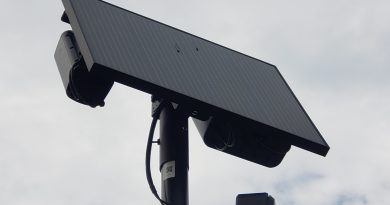
Zaragoza-Yáñez said families who report loved ones’ detentions have shared accounts suggesting that agents frequently may already have information about the immigration status of drivers when they detain passengers in the same vehicle. She fears agents could be using license-plate readers and surveillance cameras to identify people by cross-referencing vehicle registration information with immigration databases.
Traffic stops have been among the more prominent methods of detention since the uptick began last month, Zaragoza-Yáñez said. Courthouse arrests are another tactic that has resurfaced — when someone is booked into jail, their fingerprints can be checked against multiple databases, including immigration records. Even if criminal charges are still pending and the person has not been formally arraigned, agents may already know the person’s identity and upcoming court hearing, Zaragoza-Yáñez said.
A final, landmark ruling in September on a federal case in New York struck down the Trump administration’s policy that allowed agents to arrest people for showing up to court and prevent them from pursuing their immigration cases. Courthouse arrests began increasing in parts of the Central Valley before the latest surge, particularly in August, September, and October, Zaragoza-Yáñez said.
Local elected officials have spoken out against the operations. Fresno Mayor Jerry Dyer said “you’d have to be a person without a heart to not be touched…to see what happens when families are separate,” and called some of the tactics “somewhat archaic.” Fresno City Councilmember Miguel Arias called the timing “basic voter suppression and intimidation of the Latino voter base.” Fresno County Supervisor Luis Chavez said in a statement that immigrant families “are our neighbors, our coworkers and our families” and “deserve to be treated with dignity and respect.” Kerman Mayor Maria Pacheco said eight Kerman residents were detained in less than 48 hours in early October.
Arias recommended members of the immigrant community stay away from public events, including the annual Big Fresno Fair. “I won’t be lying, and I ask my immigrant community to also stay home,” Arias said. “The corn dog is not worth putting your family’s safety at risk, and no police agency, including ours, can ensure your safety because we cannot intervene in whatever the federal agency is doing, it is a tragedy.”
“The reality is that it is the community-based organizations that have done the work, we see the fear in the families that we serve,” said Huy Tran, executive director of SIREN. “We see it in the community that we work with and try to uplift. And because it is these organizations that are on the front line, we needed to show strength. We needed to show that we weren’t going to back down.”
Pam Nelson Hollis, director of development and communications with Faith in the Valley, said the timing “certainly coincides with the upcoming elections” and “could potentially deter voter turnout among immigrant and Latino communities.”
“They’re going after hardworking people,” Zaragoza-Yáñez said. “They’re here in our communities just to provide for their families, to have a chance of a better life, of that American dream.”
The Breakdown
- Federal immigration agents have detained more than 200 people in the Fresno area since early October, according to Faith in the Valley’s watch network, though the actual number is likely higher as families often report detentions days or weeks later.
- The escalation is part of what the Washington Examiner, citing a confidential source, called “Operation Safe California,” expected to last 45 days leading into the midterm elections. DHS would not confirm or deny the operation.
- Agents are conducting traffic stops, often as early as 3 a.m., and stopping at gas stations and convenience stores where workers gather before shifts. Advocates say agents are targeting people who appear Latino, Hispanic, or Haitian, particularly those driving to work in construction, agriculture, or landscaping.
- Many detained individuals are filing habeas corpus petitions seeking release — 8,411 have been filed in the Eastern District of California since September, the highest rate in the country.
- People released from ICE custody in Fresno and Bakersfield often leave with only a green card, passport, or cellphone, and may not get back their IDs, work permits, or wallets. Faith in the Valley volunteers help them arrange travel home to at least 29 states.
- A federal judge recently barred ICE agents in Southern California from detaining people solely based on Latino appearance or perceived working-class status, requiring individualized reasonable suspicion. A September federal ruling in New York also struck down the Trump administration’s policy allowing agents to arrest people for showing up to court.
What This Means for You
Local elected officials have stated they cannot intervene in federal enforcement operations. Mayor Dyer called some tactics “archaic.” Councilmember Arias told immigrant families to stay home from public events. Supervisor Chavez encouraged residents to remain calm and rely on verified information.
What You Can Do
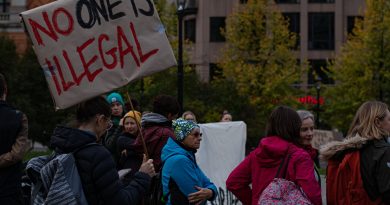
Peace Fresno is hosting anti-ICE demonstrations every Saturday from 9:30 to 11 a.m. at Shaw and Fresno Street. The next national “No Kings” protest is scheduled for Oct. 17.
If you or someone you know needs help after a detention, Faith in the Valley’s watch network is coordinating support for families and released individuals. SIREN and other immigration rights organizations are also providing legal response and community resources.
What to Watch
Advocates say agents are targeting people based on Latino, Hispanic, or Haitian appearance and perceived working-class status — stopping workers at gas stations buying pan dulce and coffee, drivers heading to construction or agriculture jobs at 3 a.m. A federal judge barred ICE agents in Southern California from detaining people solely based on Latino appearance or perceived working-class status, requiring individualized reasonable suspicion.
Advocates report families are describing agents stopping vehicles and detaining passengers even when agents appear to have information only about the driver’s immigration status. Zaragoza-Yáñez fears agents could be using license-plate readers and surveillance cameras to cross-reference vehicle registration with immigration databases.
The operation’s timing — 45 days leading into the midterm elections — has prompted concerns from advocates and elected officials. Councilmember Arias called it “basic voter suppression and intimidation of the Latino voter base.” Pam Nelson Hollis said the timing “certainly coincides with the upcoming elections” and “could potentially deter voter turnout among immigrant and Latino communities.”
Arias stated that local police agencies “cannot intervene in whatever the federal agency is doing.”