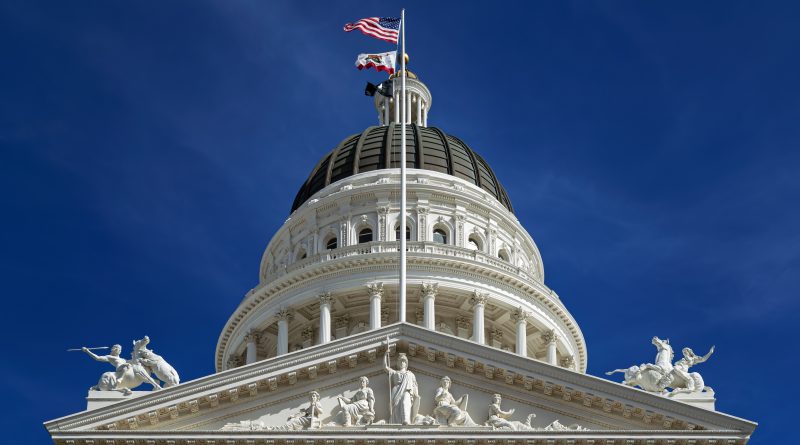
United States Capitol building — Photo: Photograph: Radomianin — Public domain, via Wikimedia Commons
Trump Administration Spends $1.5 Million in Tax Dollars on Pro-Trump TV Ads, Drawing Bipartisan Criticism
The Trump administration has spent at least $1.5 million in taxpayer money on television advertisements featuring President Donald Trump—ads that critics, including members of his own party, say cross the line from public service into political propaganda.
Senate Majority Leader John Thune, a South Dakota Republican, told reporters the ads “shouldn’t be paid for with taxpayer dollars.” Multiple legal experts consulted by the Associated Press said the spots appear to violate federal law—both the statute banning congressionally appropriated funds from being used for “publicity or propaganda” and the law limiting partisan political activity by government employees.
The administration began airing three ads last week, all stamped “Paid for by the U.S. Government.” One features Trump talking about defeating communism, with onscreen text promoting tax cuts and manufacturing. Another shows Mount Rushmore at night with quotes from Trump’s Fourth of July speech there. The third—virtually identical to a 2024 Trump reelection campaign ad—shows him walking down a hallway, warning of a “final battle” against “globalists” and “warmongers.”

The White House has not disclosed which government agency is supplying the funds. Spending tracked by AdImpact shows the ads running during college football and NFL games, across network, cable, and streaming platforms. The actual cost could be significantly higher depending on how networks classified the buys.
White House communications director Steven Cheung defended the campaign on social media, calling the ads “epic Public Service Announcements” and accusing critics of spreading “lies.” The administration pointed to past PSAs from Bush, Obama, and Biden administrations—ads that promoted Medicare enrollment, Affordable Care Act subsidies, and COVID-19 vaccinations.
Legal experts say those comparisons don’t hold. “You watch all three ads, they’re sheer propaganda,” said Richard Painter, White House ethics czar under President George W. Bush. “This is increasingly looking like what authoritarian governments do to promote their leaders.”
Kathleen Clark, a legal ethics professor at Washington University in St. Louis, said the Trump ads differ from earlier administrations’ PSAs because they aren’t aimed at helping the public access any specific government program. “These ads are nothing more than government propaganda, aimed at helping Trump,” she said.
Top Democrats on Senate and House appropriations committees demanded last week that the ads be taken down and requested a full accounting of costs. Since then, more than a dozen Democrats and a handful of Republicans have joined the criticism. Senate Minority Leader Chuck Schumer called the latest ad “an absolute violation of what a democracy is supposed to look like.”
Sen. John Kennedy, a Louisiana Republican, said on CBS’s “Face the Nation” that no public official should spend public money on private ads for themselves. Rep. Thomas Massie, a Kentucky Republican, posted on X: “Don’t worry, using taxpayer dollars to run ominous campaign ads of the President has been done before and is completely legal… in banana republics.”
The Republican chairs of the Senate and House appropriations committees have not responded to requests for comment. With both chambers led by Republicans, any formal oversight would likely have to come from Trump’s allies—decreasing the likelihood of hearings or accountability efforts before November’s midterm elections.
The Breakdown
- The Trump administration has spent at least $1.5 million in taxpayer funds on three TV ads featuring the president, all labeled “Paid for by the U.S. Government.”
- The ads began airing last week during prime programming, including college football and NFL games, across network, cable, and streaming platforms.
- One ad shows Trump discussing “defeating communism” and promotes tax cuts; another features Mount Rushmore with Trump speech quotes; a third—nearly identical to a 2024 campaign ad—shows Trump warning of a “final battle” against “globalists.”
- Multiple legal experts say the ads appear to violate federal laws banning appropriated funds from being used for “publicity or propaganda” and limiting partisan political activity by government employees.
- Senate Majority Leader John Thune and other Republicans, along with Democratic leaders, have criticized the spending as improper use of public money.
- The White House has not disclosed which government agency is funding the ads or responded to congressional demands for a full accounting.
What This Means for You
This is a question about how an elected president uses the power voters gave him—specifically, whether public funds Congress appropriated can be spent promoting that president personally rather than a specific government program. The legal experts quoted here say no, it violates federal law. Republican Senate leadership says the same. But with Republicans controlling both chambers of Congress, the likelihood of formal oversight—hearings, subpoenas, a real accounting of how much was spent and from which budget—depends entirely on whether Trump’s own party is willing to hold his administration accountable before voters go to the polls in November’s midterms. If they aren’t, the only accountability mechanism left is the ballot box itself.
This also sets a precedent: if this administration can spend tax dollars on ads that look identical to campaign material without consequence, future presidents—of either party—will have that tool available. What you’re watching now is whether the check on that power still exists.
What You Can Do
The chairs of the Senate and House appropriations committees—both Republicans—have the authority to demand answers and hold hearings. If you want accountability for how this money was spent and which agency supplied it, contact the Republican chairs of those committees and ask them to respond to the demands already made by their Democratic counterparts.
What to Watch
The immediate question is whether the administration will disclose which government agency is funding these ads and how much has actually been spent—the $1.5 million figure is a minimum based on tracked spending, and the real number could be significantly higher. Beyond that, the larger question is whether Congress will exercise any oversight at all. Republican leadership in both chambers now controls whether there are hearings, whether officials are called to testify under oath, whether the public gets a full accounting before the midterm elections.
If there is no formal oversight, voters should ask why. Federal law exists to prevent exactly this—using appropriated public funds for propaganda that promotes an officeholder rather than a program. Legal experts from both parties say that line has been crossed. The test now is whether the officials with the power to enforce that standard will do so, or whether party loyalty overrides it. That answer will matter long past this one ad campaign.